Think about what happens at each workstation. In a science lab, students need a stool that fits a higher work surface and lets them stand up with ease. Many lab stools have durable, smooth Masonite seats. For art or design work, a drafting stool can offer an adjustable seat height and a footrest; some models also have armrests. If students share workstations at different heights, an adjustable stool gives you more flexibility.
In a classroom that shifts between activities, mobile stools move from one work area to another, while stack stools free up floor space when you put them away. Wobble stools let students shift position while they sit. Material matters, too. Plastic keeps the stool light, metal offers durability, and wood gives the space a classic look. For a padded seat, vinyl resists moisture and wipes clean, mesh allows airflow, and fabric offers more colors and patterns. If students need support for their feet, look for a foot stool. If they need to reach a sink, board, or locker, choose a step stool instead; it is not a seat.
A stool can look right for your classroom and still feel awkward once students sit down. Start with the table or counter height, then check the stool’s seat height. Aim for 9 to 13 inches between the seat and the underside of the work surface so students have room for their legs.
For a 34- to 39-inch table, look at café or counter-height stools with seats 24 to 29 inches high. A 41- to 46-inch table calls for a bar stool with a seat 30 to 36 inches high. Check the dimensions of the specific stool rather than trust its height label. Give each student space to get on and off the seat, too: allow 26 to 30 inches between stool centers. At a taller workstation, a foot ring gives students a place to rest their feet.
Consider your students’ ages before you choose wobble stools. Their range of motion may not suit younger students.
If a stool has armrests, check that they clear the underside of the table or counter.
If your school has indoor air quality or furniture standards, check the certifications listed for each model. GREENGUARD and GREENGUARD Gold address chemical emissions; verify any Business and Institutional Furniture Manufacturers Association (BIFMA) claims for the specific stool.
Keep up to date.
Join the School Outfitters mailing list and be the first to know about new products and promotions.

Finding the Right Height
Table Height
| Counter Height
| Bar Height
|
Product Types
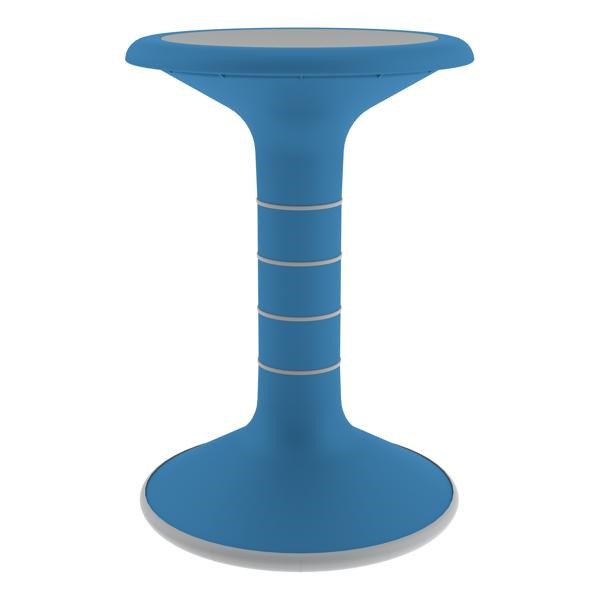
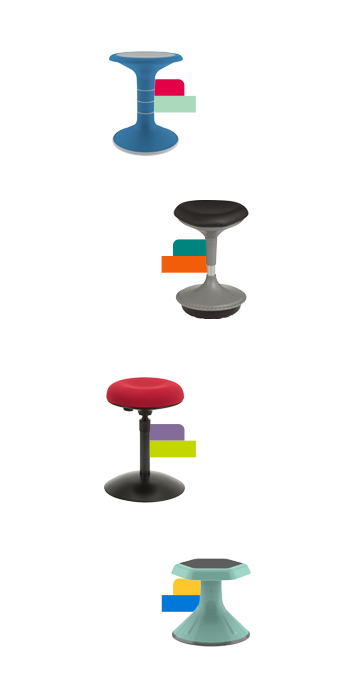
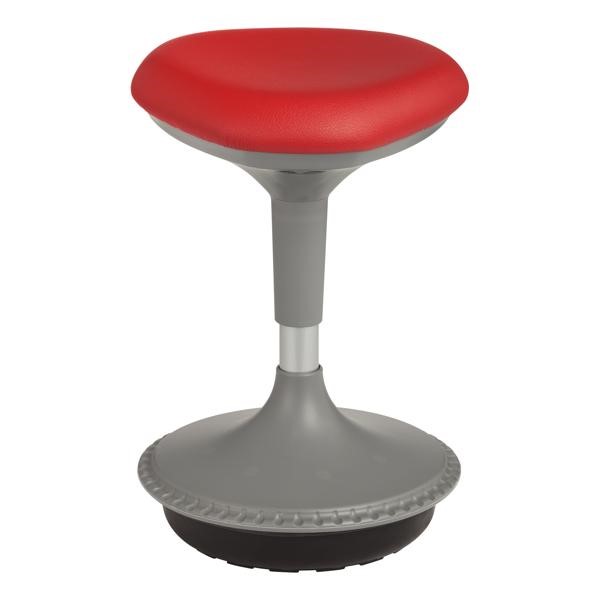
Stools that wobble or rock in every direction are sometimes referred to as active learning stools, wobble chairs or wobble stools. All have a gently rounded base, allowing it to roll with a student’s natural movement while still ensuring stability and comfort. Many styles have lighter weights making them easier for students to move for group work. This type of seating promotes good posture and a strong core.
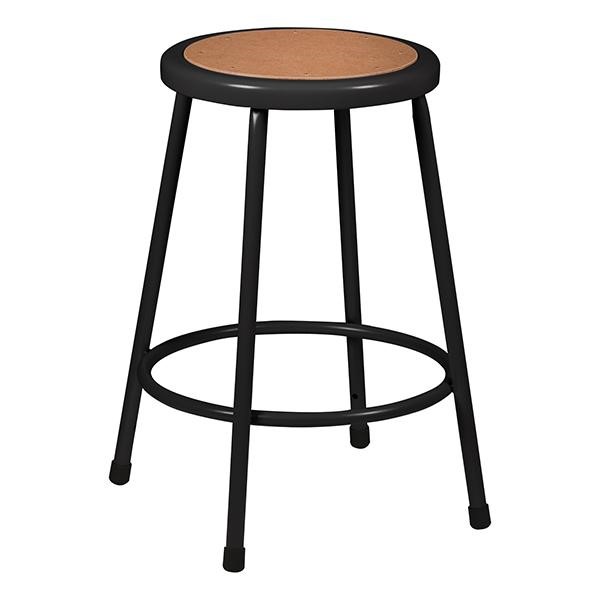
Science labs are often equipped with counter-height workstations to easier facilitate experiments and collaboration. Science lab stools accommodate this higher workspace, plus allow for quick movement during chemical spills. Most come equipped with smooth Masonite seats, a dense and highly durable hardwood. The height of a lab stool ranges between 18 and 24 inches.
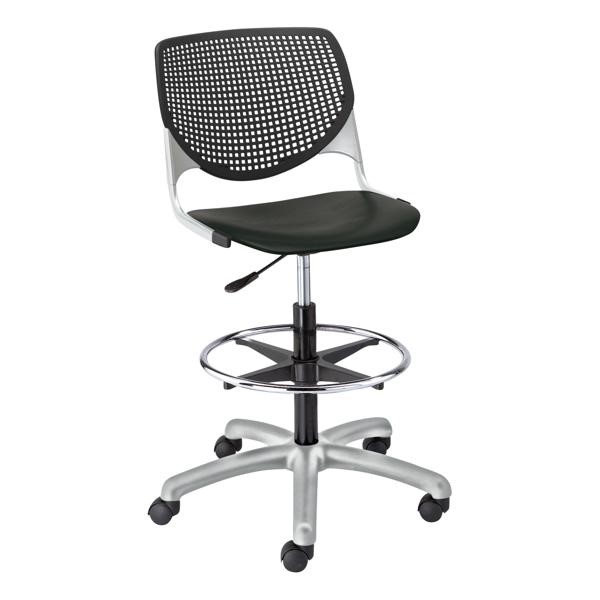
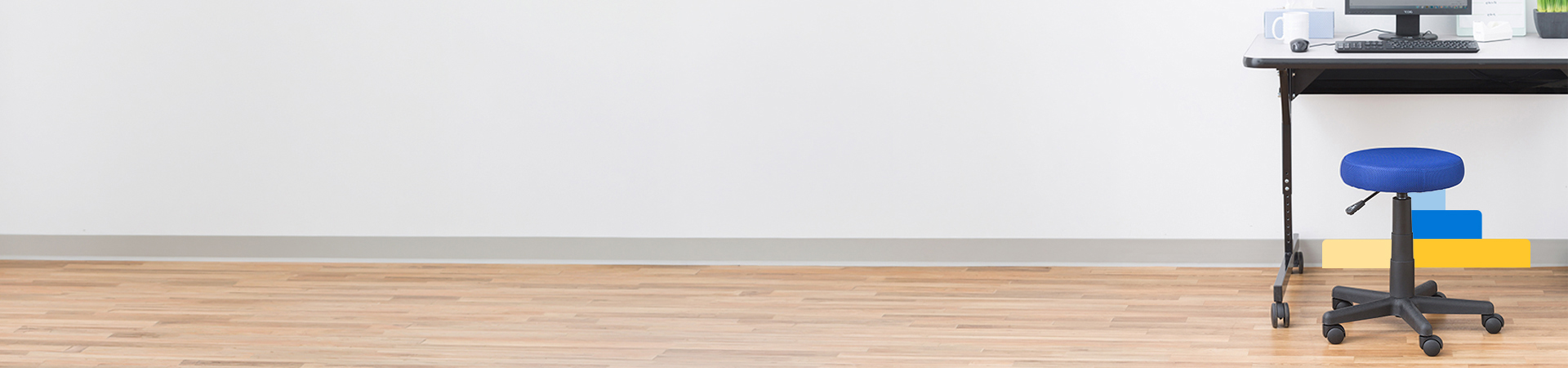
Drawing, writing and sketching require the use of modified furniture due to the amount of time spent sitting. For comfort and support, drafting stools are commonly used. These stools are modified office chairs that allow for height and seat adjustments, have attached footrests, optional armrests, plus tilting and swivel capabilities.
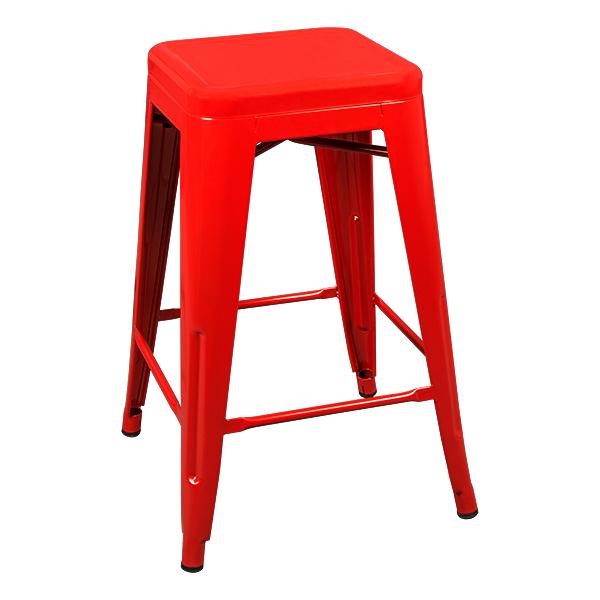
Stools made from metal can last a lifetime. They are exceptionally durable and hold up to daily wear and tear. Metal stools are also flame, weather and scratch resistant. Depending on the style, the stool seat can be made of Masonite, padded and covered in vinyl, plastic, wood or metal. Other optional features include adjustable heights and back rests.
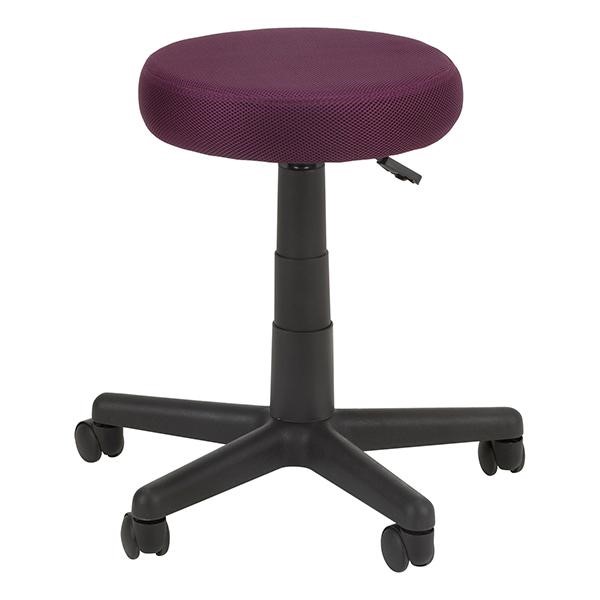
Stools that come equipped with wheels add even more flexibility to a learning space. Students and teachers can easily maneuver as needed. This is especially helpful during experiments, in makerspaces and in other collaborative learning environments. Other mobile stool features include adjustable heights, back rests, foot rings, padded seats and armrests.
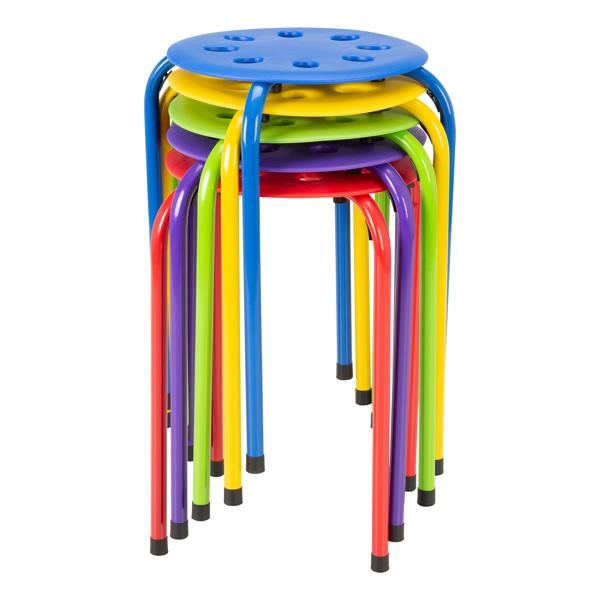
Stack stools have many benefits. Stack stools are typically lightweight to make rearranging and cleaning easy and require less space when in use and in storage. Stack stools are available in a variety of styles; some have perforated backs for breathability, wheels or colorful plastic seats. The style chosen will determine how many stools can be stacked together.
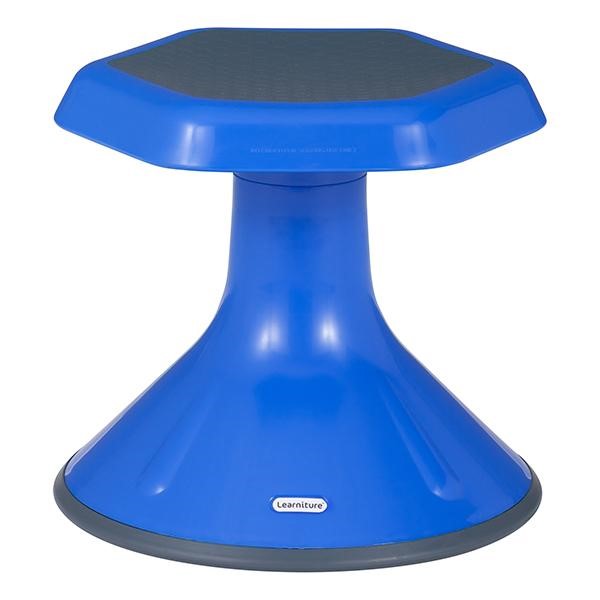
Plastic stools can be made entirely out of plastic or have the seat itself made of plastic with a metal frame. Plastic stools are typically lightweight and are often suitable for indoor and outdoor use. The plastic most used is polypropylene, a tough and rigid synthetic resin. It has exceptional durability, allowing it to accommodate a higher weight capacity.
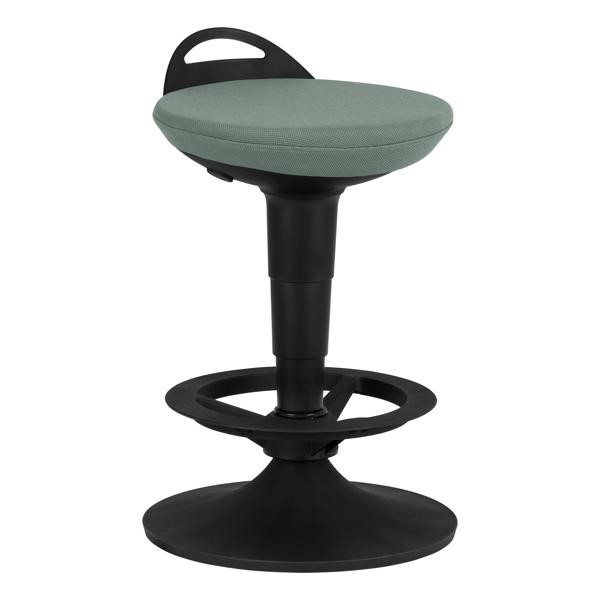
Upholstered stools have seats covered by vinyl, mesh or fabric, with padding that can be more than three inches thick. Vinyl upholstery resists moisture and food particles, is easy to clean and highly durable. Mesh material allows air to circulate, unlike fabric or leather, which tend to trap heat and cause discomfort. Fabric has a variety of patterns and colors to choose from, allowing for more customization.
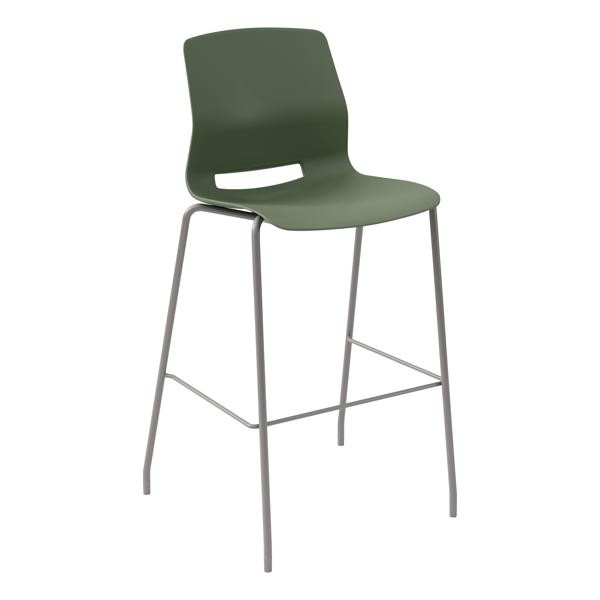
The phrases “café” and “counter height” are used interchangeably with “bar height” when it comes to seating and tables, however there are notable differences. Bar height tables range between 41 and 46 inches and both café and counter height tables range between 34 and 39 inches. Bar stools measure 30 to 36 inches, while café and counter height stools measure 24 to 29 inches. Remember to ensure a gap of nine to 13 inches for leg space.
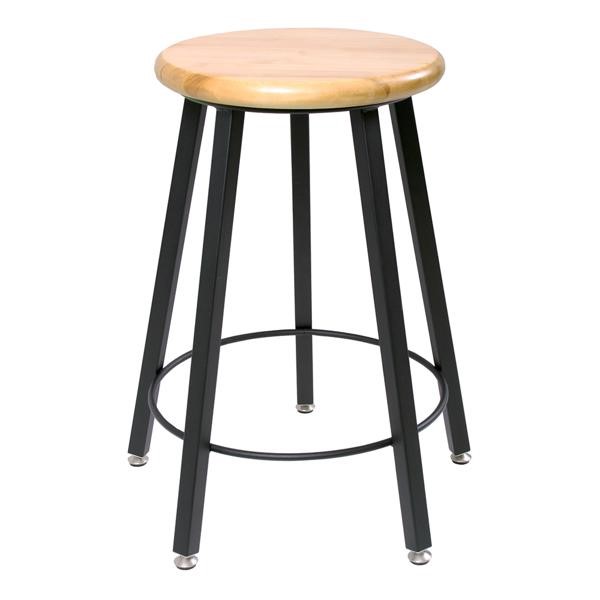
Stools constructed from wood have a more classic appearance that can vary in color depending on the tree and finish. Wood stools can vary greatly in appearance; some have upholstered seats, metal legs, round or square seats or backs. Other benefits of a wood stool include durability, longevity and ease of maintenance.
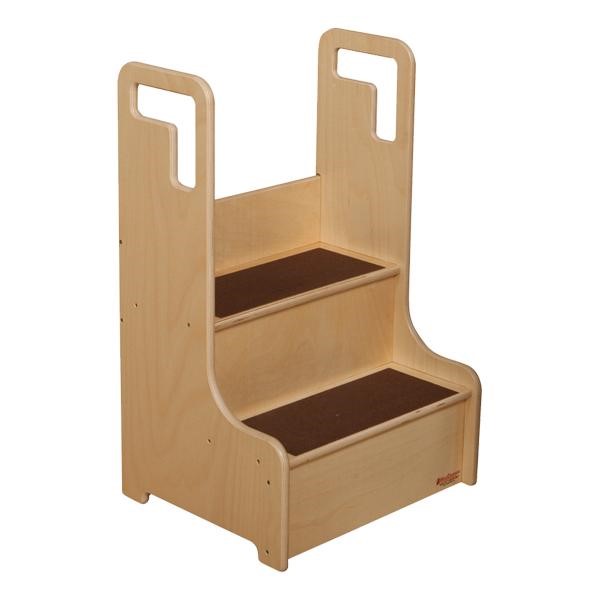
Stools that sit low to the floor are used in two ways – as a footrest while seated or as a step to reach high objects. Footrests are called foot stools and elevate the feet for comfort. Step stools typically have one or two built-in steps and help young students reach the sink, a whiteboard or a locker. Both foot stools and step stools are designed to be slip resistant.
Stack stools have many benefits. Stack stools are typically lightweight to make rearranging and cleaning easy and require less space when in use and in storage. Stack stools are available in a variety of styles; some have perforated backs for breathability, wheels or colorful plastic seats. The style chosen will determine how many stools can be stacked together.

Ready for the next step?
Talk to a School Outfitters furniture expert today and get assistance on everything from product selection and room designs to purchase compliance and delivery.
Related Resources
Blog post
How to Find the Best Desks for Your Flexible Classroom
Modern classrooms thrive on flexibility, switching between individual work and ...
Read Now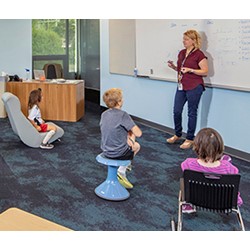
Blog post
How Flexible Classroom Seating Benefits Students
Learn three big benefits of flexible classroom seating and how different seating options ...
Read Now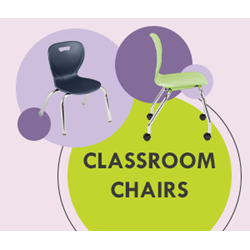
Blog post
How to Choose the Best Classroom Chairs for Your School
Does your school district need new classroom chairs? Here’s how to choose the best chairs ...
Read Now