


Look for rugs with bound and serged edges to prevent fraying and extend the life of your investment. Nylon is a popular material choice for classroom rugs thanks to its tight weave, good dying characteristics, and long-lasting durability against daily wear. Rug backing adds both safety and stability, so look for latex, polypropylene, or rubber options to keep the rug in place and protect your floors from scratches and slipping.
Pile height refers to the length of the fibers that rise from the rug's backing. Low pile height works best in high-traffic areas because it holds up to heavy use and is much easier to clean. Density describes how closely together the fibers are tufted into the backing. High-density rugs have a higher stitch rate that resists matting and crushing, making them a smart, long-lasting choice for busy classrooms. Heat-set yarn fibers go through a heat treatment process during manufacturing that helps each twisted fiber retain its original look and shape over time, so your rug stays looking fresh even with consistent use.
Lighter colors tend to open up small spaces and create a warm feel, while darker colors help hide flooring inconsistencies and add a calm atmosphere
Rotate your rug 180 degrees once a year to help prevent uneven fading and wearing
Look for antimicrobial and stain protection treatments to keep your rug cleaner longer and reduce the spread of germs in high-use spaces.
Keep up to date.
Join the School Outfitters mailing list and be the first to know about new products and promotions.

Features to Consider
Treatment | Impact |
|---|---|
Antimicrobial treatment | A treatment that traps contaminates and inhibits bacterial growth, preventing the spread of unwanted germs |
Anti-static treatment | A special application added during the manufacturing process to eliminate shock |
Stain protection | A unique treatment that allows the rug’s fibers to repel liquids. This process also minimizes reappearing spot |
Rugs that meet Class-1 Fire Safety Requirements | A Class 1 fire rating means the material is highly resistant to fire and the spread of flames |

Product Types
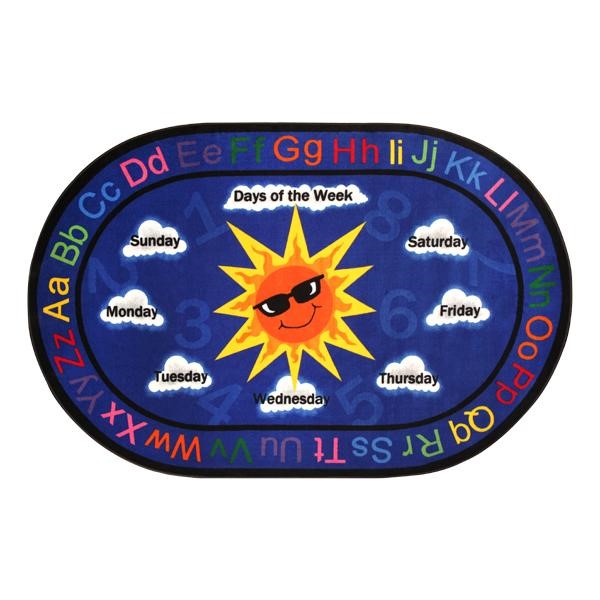
The learning environment, grade level and existing décor all play a role in determining a rug’s theme and color. In preschool, rugs can complement classroom learning with alphabet, number and animal themes. Common early elementary rug themes can range from geography to math. Classroom rugs can also be used for seating, playing, important reminders like handwashing or simply be a colorful addition to any room.
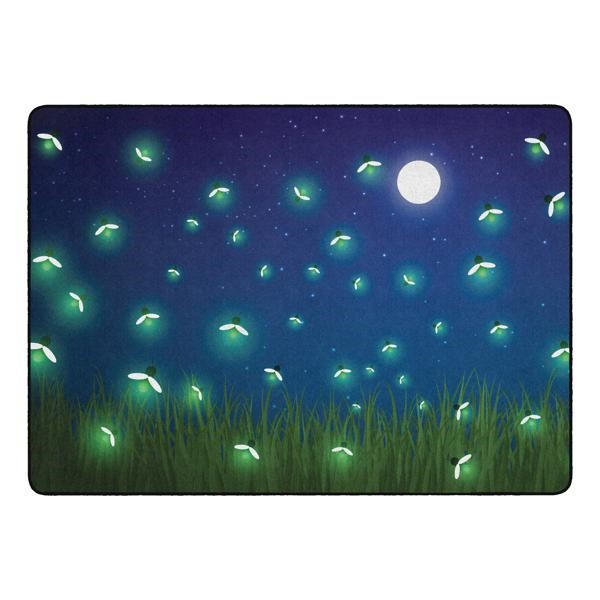
For large, open floor spaces rectangular rugs are a good choice. They can match the space’s furniture shapes or contrast them. Rectangular rugs are considered more traditional.

Round rugs tend to make smaller spaces seem larger. They also soften the hard lines of walls, doorways and windows. For classroom discussion areas, using a round rug creates a cozier atmosphere.
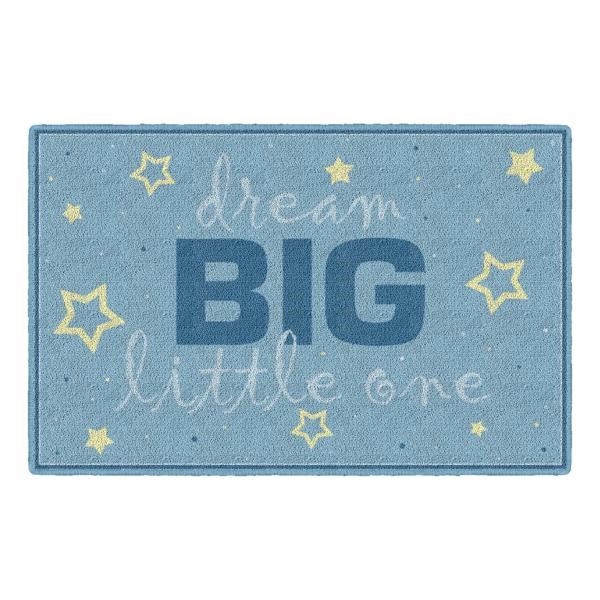
Classroom rugs take a beating, with spills, muddy shoes, and dropped foods all being a part of the learning experience. Washable rugs make maintenance simple, so you spend less time worrying about upkeep and more time focused on your students. Look for options with stain-resistant fibers and machine-washable construction to keep your classroom looking (and smelling) fresh all year long.
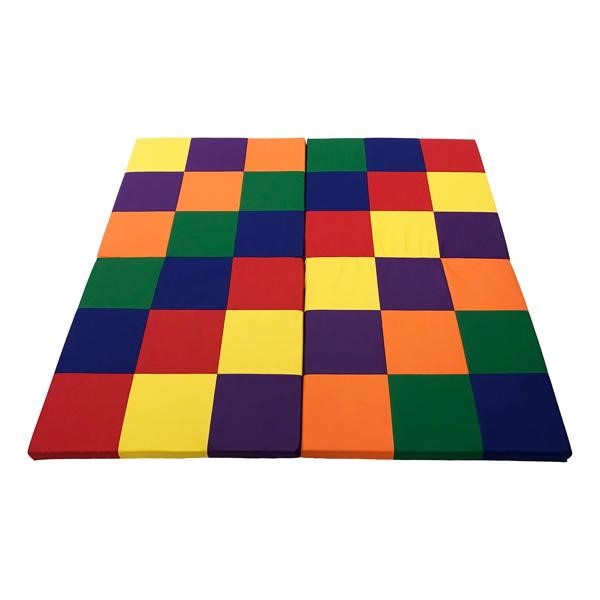
When early learners require a safe and clean space for floor play, vinyl playmats provide the ideal classroom solution. Vinyl is a highly durable and easy-to-clean material used to cover a soft foam core. These mats can be found in a variety of color patterns and themes to keep children engaged while crawling or playing.
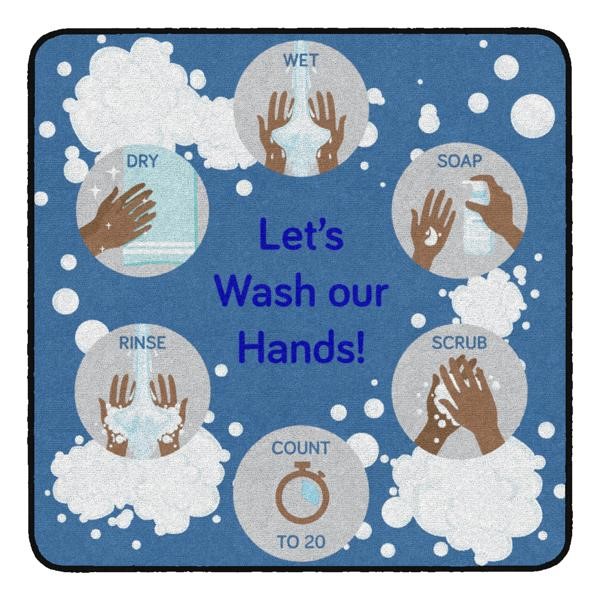
Square shaped rugs are a nice addition to rooms that are also square and give the impression of wall-to-wall carpeting, depending on the size. Square furnishings like tables also complement square rugs. In spaces with round rugs, square rugs can be used instead.
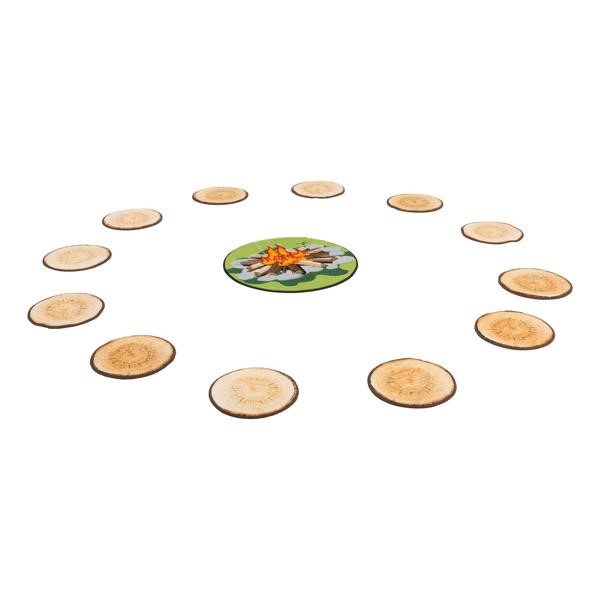
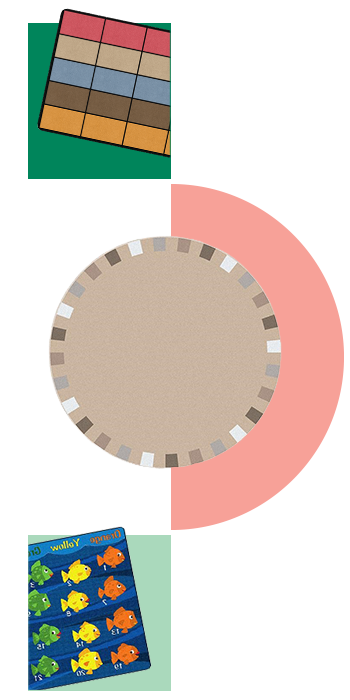
Designed for individual student use, carpet squares and rounds blend comfortable seating with classroom management. They can be found in an array of colors, styles and themes, plus, many have built-in handles for easy moving. Children can use their imaginations with nature, animal and sea life themes.
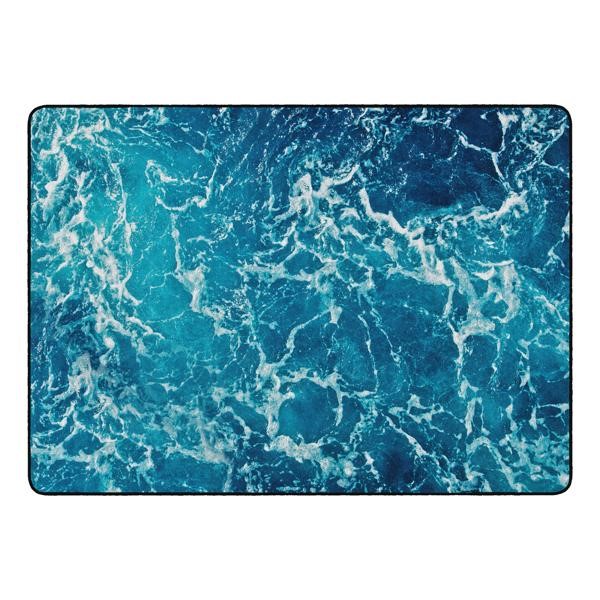
For students who need a moment to reset, a calming rug can make a big difference. Rugs with soft, neutral tones and organic or nature-inspired patterns help reduce visual overstimulation and create a low-pressure space where students can self-regulate. They work especially well as part of a designated calm-down corner or sensory area in the classroom.

Ready for the next step?
Talk to a School Outfitters furniture expert today and get assistance on everything from product selection and room designs to purchase compliance and delivery.
Related Resources
Blog post
How to Find the Best Desks for Your Flexible Classroom
Modern classrooms thrive on flexibility, switching between individual work and ...
Read Now
Blog post
How Flexible Classroom Seating Benefits Students
Learn three big benefits of flexible classroom seating and how different seating options ...
Read Now
Blog post
How to Choose the Best Classroom Chairs for Your School
Does your school district need new classroom chairs? Here’s how to choose the best chairs ...
Read Now