




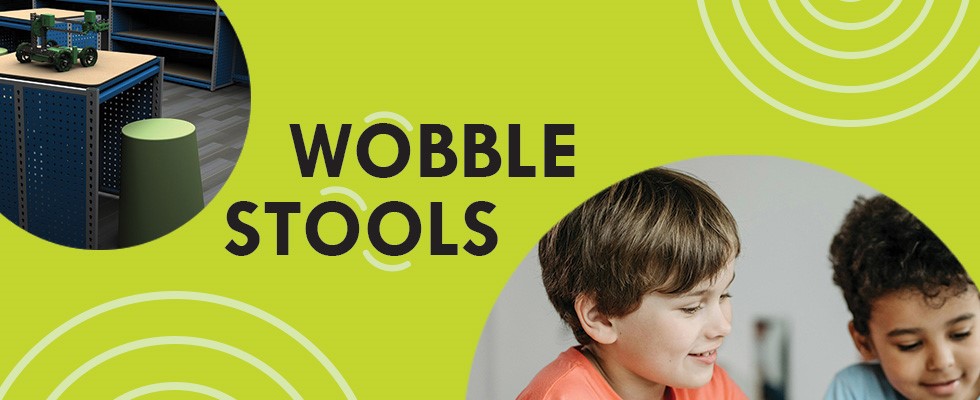
Alternative seating options are an essential piece of the modern classroom. While active seating was originally developed for children with sensory and regulation profiles to help them focus and learn better, it’s become increasingly clear that such options can benefit all young learners.
Wobble stools, also known as active or balance stools, are a great way to integrate active seating in the classroom. These stools allow students to rock, wiggle, and otherwise move while remaining seated and safely upright. This range of motion caters to students’ physical, cognitive, and emotional needs, fostering an environment conducive to effective learning and development. Let's take a closer look at how today's wobble stools can complement your school furniture.
1. Wobble Stools Help Students Concentrate
Studies have found that students show increased on-task behavior when using active seating options like wobble stools. Wobble stools can also activate the central nervous system with dynamic postural corrections, and promote increased blood circulation.
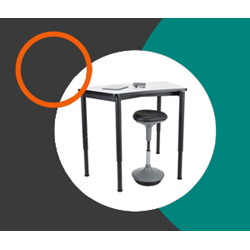
These physiological benefits make them great for helping to wake students up during that afternoon lull or helping others regulate after a busy, stimulating day. Stools like this Sprogs Kids Active Motion Stool are popular and feature just enough “wobble” to keep those bodies moving yet focused.
2. Wobble Stools Can Increase Relaxation
Wobble stools and active learning furniture can also keep students relaxed by moving more. Energized and excited students in early learning classrooms can sometimes find it difficult to stay still and focused, but movement and fidgeting can relieve stress from the nervous system to increase focus.
When active learners use wobble stools, they can exert the necessary energy to calm down. They can also benefit from the increased vestibular input that wobble stools provide, supporting relaxation.
3. Wobble Stools Help Improve Posture
Another benefit of wobble stools for classrooms is that dynamic seating can improve posture and core strength. Staying upright in a chair with a mobile base naturally engages the core and spine, leading to better body mechanics and ergonomics.
Because physical activity improves cognition, wobble chairs’ physical benefits can also improve a student's overall capacity for learning. As the body remains occupied, it may become easier for the brain to concentrate.
4. Wobble Stools Help Meet IEP Goals
While wobble stools are great for the general student population, some students may have Individualized Education Program (IEP) goals from their physical, speech, or occupational therapists that include alternative seating options. This could be to help with an executive function need, increase overall alertness level for better attention to tasks, or help address motor development.
These benefits extend beyond the special education classroom, too. Having wobble stools for classrooms of all types enriches the learning experience for all students and makes the space more inclusive to those with specific needs or profiles.
5. Wobble Stools Help Develop Fine Motor Skills
Wobble stools in early learning classrooms have the added benefit of supporting the development of fine motor skills. Time spent on wobble stools can help develop postural muscles and proximal stability, which involves the muscles and joints closest to the body, like the shoulders, hips, and trunk.
This muscular engagement aids in the development of fine motor skills. As young learners develop these skills, they can gain more from the many benefits of unstructured play and other physical activities.
Wobble Stools vs. Other Forms of Classroom Seating
While there are many benefits of wobble stools for classrooms of all types, there is also no one-size-fits-all solution for the best kind of classroom seating. There are times when other options may be better, and educators must recognize these use case discrepancies to make the most of their classroom furniture.
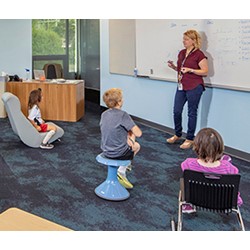
Generally speaking, wobble stools are best as part of a section of the classroom rather than a replacement for traditional seating. Teachers looking to create a flexible learning environment can incorporate wobble chairs into the classroom for specific zones, such as:
Small group instruction tables
Flexible seating zones for independent work
Reading corners
Collaboration areas
Wobble stools may also be more advantageous in early learning classrooms, given their motor skill development advantages and younger students’ needs for mobility. Middle and high school classrooms can still benefit from wobble chairs, but can get by with a smaller number of stools for independent learning zones.
How to Choose Wobble Stools for Your Classroom
Educators hoping to get the most out of wobble stools for their classrooms shouldn’t settle on just any seating option. If you’d like to take full advantage of this kind of flexible seating, be sure to follow these steps.
Understand Your Students' Needs
The first step in finding the best wobble stool for your classroom is recognizing what your students need. Consider the grade level, as older students will need larger, adjustable wobble stools, whereas a larger number of smaller options is better for early learning classrooms. You should also pay attention to any special needs within the student population that could raise the need for certain features or a higher number of wobble stools.
Student preference is worth noting, too. If you’ve noticed your students tend to prefer chairs with back support, look for options with a backrest. If you have particularly active students, stools with a wider range of motion may be best. Be sure to consider any school-specific cleaning and regulatory requirements as well.
Understand Your Students' Needs
Once you know what your students need and would prefer, you can narrow your search based on key features. Many classrooms can benefit from adjustable-height wobble stools to accommodate students of varying heights and make this seating more flexible. More ergonomic wobble stools will be helpful in classes where students must sit for longer stretches.
Stability and support are also important to consider, with wider-base, more stable stools providing added safety despite more dramatic movement. Different wobble stools have varying size and weight limits, too, and some materials are easier to clean, which is important when ease of maintenance is a concern.
Classroom wobble stools also come in different seat shapes, which accommodate varying seating styles and offer different levels of support. Similarly, base shapes vary to allow certain ranges of motion or improve stability. Which mix of features is best depends on your classroom’s specific needs.
Determine Key Wobble Stool Features
You can further refine your search by thinking of how wobble stools would fit within your existing classroom environment. The key to designing an effective flexible seating arrangement lies in functional variety and adaptation. Take inventory of what you already have and how your classroom is set up to see where wobble stools would make the most sense. From there, you can better understand how many you might need, as well as what features are most important.
Adjustable wobble stools are a great complement to classrooms with tables of varying heights or learning zones that shift throughout the year. If you already have reliable, flexible indoor seating, consider indoor/outdoor wobble stools for outside learning sessions. In terms of volume, classrooms that already have a variety of seating options may not need as many wobble stools as those with mostly rigid, conventional seating.
Review School Budgets
As with all classroom furniture purchasing decisions, checking budgets is a crucial part of the selection process. A school’s price range affects not only the types of wobble stools a classroom can afford but also how many you can purchase at once. Keep in mind that sales, bulk purchases, and price differences between vendors can make the same wobble stool more or less expensive.
Compare Available Options
Finally, after narrowing your options and listing your budget and needed wobble stool features, you can compare what’s left that fits within these guidelines. It may help to create a formal list of your needs to run through when reviewing each option to ensure you find wobble chairs that meet all requirements.
As you perform this search, it helps to work with a reliable supplier who understands schools and can help you find what’s best for you. The right wobble stool for your classroom may not be immediately evident, but a knowledgeable and helpful supplier can work through your needs with you to direct you to appropriate solutions.
Develop Your Seating Plan with School Outfitters
If you’re ready to find the best wobble stools for your classroom, School Outfitters has an incredible team of representatives dedicated to helping you build the best learning spaces for your district. We have a wide variety of high-quality wobble chairs and other active seating solutions, and we streamline the design and quote process for you and can prioritize cost and comfort.
Our team consists of knowledgeable furniture experts who can answer any questions you have about the various wobble stool products we offer. The help doesn’t end there, either, as we also offer post-purchase support, including assembly and installation services and after-order care solutions. Get a quote today, and let's build a premier early learning space together!