




STEAM education continues to be wildly popular across all grades and blends Science, Technology, Engineering, Arts, and Mathematics into a cohesive learning approach based on real-world applications. Unlike traditional siloed instruction, STEAM encourages students to explore how these disciplines intersect in creative and practical ways.
In today’s classrooms, educators are tasked with preparing students for an ever-changing world. STEAM instruction fosters the creativity, adaptability, and collaboration students need to thrive. This blog offers inspiring and actionable STEAM education examples for elementary through high school, plus helpful tips for designing your own projects.
What is STEAM education?
STEAM builds on the traditional STEM framework by integrating the arts. This addition recognizes that creativity and design thinking play critical roles in innovation. Whether students are engineering bridges or coding animations, the arts teach them to think visually, communicate ideas, and solve problems in original ways.
The result is a more engaging and holistic form of learning. STEAM projects often mirror the collaborative, interdisciplinary challenges students will face in the workforce.
Key benefits of STEAM education include:
Encouraging creative problem-solving
Enhancing real-world relevance
Fostering teamwork and communication skills
Did you know? iD Tech points to a growing need for professionals in STEM fields:
STEM education (K-12) is projected to reach as much as $50.6B in 2025.
STEM jobs are projected to grow, too, with as many as 3.5 million going unfilled by the end of the year.
Additionally, Grand View Research is finding that upwards of 13,000+ K-12 districts are currently using STEM resources to support various student programs. More and more schools are supporting students in new arenas, too, like machine learning, AI, IoT, and more. Learn.org recently published its list of top 10 STEM colleges for 2025, if you’re interested in seeing which universities demonstrate the best research opportunities, most unique academic initiatives, and student-favorite internships.
Why are STEAM examples important?
Educators know that frameworks are only helpful if they come with practical applications. Real-world STEAM examples make it easier to implement this approach in the classroom.
Well-designed projects show how learning can extend beyond textbooks. Students get to build, test, present, and reflect on what they create. This hands-on approach helps abstract concepts come alive. It also boosts engagement, especially when students have a say in shaping the project.
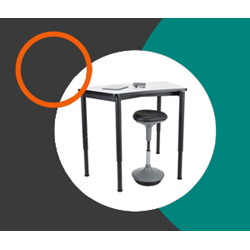
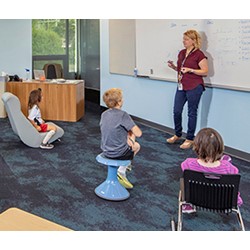
Using real-world examples also helps with space design. A flexible, well-furnished classroom supports everything from maker activities to digital modeling, making it easier for students to experiment and collaborate.
Fun fact: The acronym “STEM” was first coined in 2001 by the National Science Foundation before “Art” came into the term, forming “STEAM” in 2006.
Elementary school STEAM education examples
Elementary learners thrive with hands-on, imaginative tasks that blend storytelling, movement, and tactile exploration. Here are three STEAM project ideas designed just for them.
Example 1: Build a weather station
This activity teaches early learning students to observe their environment with intention and precision. It strengthens their understanding of scientific tools while encouraging resourcefulness by using recycled materials. As they record data, students also practice math and data analysis. The art component lets them personalize their instruments, which fosters ownership and creativity.
Objective: Understand weather patterns and measurement tools
Materials: Recycled plastic bottles, cardboard, markers, yarn, thermometer
Outcome: Students construct instruments like rain gauges and wind vanes, decorate them with artistic flair, and record weather data for a week
Example 2: Storybook coding
This project gives students a creative outlet while introducing them to digital literacy. They learn narrative structure, sequencing, and cause-and-effect thinking as they build stories and bring them to life through code. It supports early literacy skills and boosts confidence in using technology as a tool for self-expression. Collaboration often emerges naturally as students share ideas and troubleshoot together.
Objective: Combine storytelling with basic computer programming
Materials: Laptops or tablets, Scratch Jr. or similar app, story planning templates
Outcome: Students write short stories, then code basic animations to bring their characters to life
Example 3: Sound exploration with homemade instruments
Students explore physical science in an engaging, hands-on way by building and experimenting with their own instruments. They gain a deeper understanding of vibration, pitch, and acoustics while embracing creativity through design and decoration. Sharing performances fosters presentation skills and peer feedback. The experience helps reinforce the idea that science and art work together to create experiences that are both meaningful and fun.
Objective: Explore sound waves and vibration through art and music
Materials: Rubber bands, boxes, straws, beads, paper towel rolls
Outcome: Students build simple instruments, test pitch, and volume, and perform their creations for classmates
Classroom furniture tip: These activities are ideal for classrooms with flexible furniture like floor seating, easels, and mobile tables that adapt to messy or tech-focused projects.
Middle school STEAM education examples
At this stage, students are ready for more structured collaboration and complex problem-solving. Middle school STEAM projects often include environmental themes or digital tools.
Example 1: Design an eco-friendly building
This project gives students a chance to think like real-world architects and urban planners. As they explore sustainability, they also learn about the impact of construction on the environment. Students apply geometry and spatial reasoning skills through blueprint design and digital modeling. The physical creation of models ties in artistic expression and hands-on learning. Presenting their projects builds confidence and communication skills.
Objective: Explore sustainable architecture and 3D modeling
Materials: Tinkercad or SketchUp, computers, recycled materials for physical models
Outcome: Students draft blueprints, build models, and present eco-friendly design choices
Example 2: Build a simple machine for a community challenge
This challenge gets students thinking critically about cause and effect, force, and motion. It introduces core physics and engineering concepts while encouraging students to work as a team. By focusing on a real classroom or school need, students see the practical impact of their designs. The open-ended nature of the task allows for creativity and iterative testing. It also supports empathy as students design for others in their community.
Objective: Solve a practical problem using engineering principles
Materials: Cardboard, pulleys, tape, string, gears
Outcome: Teams create devices to address needs like moving books across a classroom or lifting items to a shelf
Example 3: Digital art + math patterns
This project shows students how math can be both beautiful and expressive. Creating symmetrical and repeating patterns deepens understanding of geometric principles and spatial awareness. Students improve their digital art and design skills while also engaging with precision and problem solving. Sharing their patterns with peers encourages peer learning and appreciation of different approaches. It’s a great example of how math and art support each other in STEAM.
Objective: Explore symmetry, geometry, and digital creativity
Materials: iPads or Chromebooks, drawing software, graph paper
Outcome: Students create tessellations and fractal designs while discussing math concepts
Classroom furniture tip: When paired with height-adjustable desks and storage-friendly seating, these projects help turn the classroom into an innovation hub.
High school STEAM education examples
High school STEAM programs often include competitions, community engagement, or career pathway exploration. These projects tend to be more technical and student-led.
Example 1: Robotics and music fusion
This activity brings together technology, creativity, and collaboration. Students deepen their understanding of programming, automation, and circuitry while also applying musical timing and structure. It highlights how disciplines like engineering and music can reinforce each other. The process of designing and adjusting code to produce accurate rhythm builds critical thinking and perseverance. Performing their robotic compositions adds an exciting and memorable experience.
Objective: Integrate engineering and the arts to explore rhythm and automation
Materials: Robotics kits, sound sensors, simple instruments, coding platform
Outcome: Students program robots to play notes or rhythms, simulating a performance
Example 2: Urban planning simulation
This project introduces students to real-world civic challenges and the tools used by urban planners and civil engineers. As they evaluate housing, transportation, and green space access, students use critical thinking and empathy to address community needs. They engage in design thinking and analyze demographic data to support their decisions. Collaborative planning sharpens their communication and teamwork abilities. Presenting their solutions to peers or local stakeholders gives them a taste of public speaking and advocacy.
Objective: Design inclusive, accessible communities using data and design thinking
Materials: GIS software, spreadsheets, poster materials
Outcome: Teams analyze real-world urban problems, then propose solutions using maps and 3D visuals
Example 3: Environmental impact video campaign
This campaign gives students a voice in issues that matter to them while developing media production and storytelling skills. They research topics, interview community members, and build persuasive narratives using video. The project fosters digital literacy and civic engagement, helping students feel empowered to make a difference. It also encourages them to be thoughtful about their visual messaging and the data they include. Sharing videos with an audience adds relevance and motivates high-quality work.
Objective: Research and share environmental concerns through multimedia
Materials: Cameras or smartphones, editing software, internet access
Outcome: Students create videos advocating for local change, then present them to school or community groups
Classroom furniture tip: These ideas work best in learning environments with maker stations, mobile whiteboards, and media tools that support presentation and iteration.
Cross-grade real world STEAM projects
Some STEAM projects scale across grade levels, encouraging mentorship and community-building. These interdisciplinary initiatives allow schools to connect classrooms through shared goals.
Example: Community garden and weather lab
Students of all ages contribute to planting, maintaining, and documenting a school garden
Older students install simple weather sensors and analyze data trends
Younger students observe, journal, and create garden-themed art projects
Example: School-wide recycling and upcycling program
Students design systems to collect and track recyclables
Art classes turn found materials into murals or sculptures
Technology classes log data on waste diversion and build awareness tools
Key outcomes and interdisciplinary skills:
Math: Measurement and data interpretation
Science: Plant biology, weather tracking, environmental science
Art: Botanical illustration, upcycled artwork, signage
Engineering: Building raised beds, recycling stations
Technology: Using sensors, spreadsheets, and design tools
Classroom furniture tip: This type of project thrives with outdoor seating, garden-friendly storage units, and portable whiteboards.
Tips for creating your own STEAM projects
STEAM projects don’t need to be complex to be effective. Here are some simple strategies for designing your own.
Start with a real-world problem: What needs solving in your school or community?
Intentionally combine disciplines: Don’t force it. Choose areas where overlap feels natural.
Encourage open-ended solutions: Let students design multiple paths to a solution.
Recommended tools and resources:
Makey Makey: Easy circuits for interactive design
Tinkercad: User-friendly 3D design software
Scratch: Intro to programming and animation
School furniture: Keep materials accessible and the room adaptable
Resources for further learning
Want more STEAM inspiration? Check out these websites and resources:
TeachEngineering.org: Free STEAM lesson plans and projects
NASA for Educators: Space-themed STEAM activities
Smithsonian Institution: Learning lab activities and inspiration
Edutopia: STEM and STEAM learning resources
Nautilus Live: Ocean exploration
Institute for Arts Integration and STEAM: Educator resources and certifications
Classroom furniture tip: Many of these resources highlight the importance of space design. A flexible, well-outfitted classroom makes a huge difference. Start creating your STEAM or STEM learning space with our pre-rendered room designs and customizable tool.
School Outfitters can furnish all your STEAM programs
STEAM education empowers students to become curious, capable, and creative learners. Real-world project examples bring the approach to life, helping teachers plan meaningful activities that spark engagement and build confidence.
No matter your grade level, there's a way to bring STEAM into your classroom. From coding and storytelling to data analysis and robotics, these examples offer something for every student.
Outfitting your learning space with adaptable furnishings is a key part of making these projects successful. With School Outfitters, you can create the collaborative, inspiring environments that STEAM demands.
Ready to reimagine your classroom? Outfit your STEM and STEAM spaces with School Outfitters today. Get a free quote on your STEAM essentials to get started.