




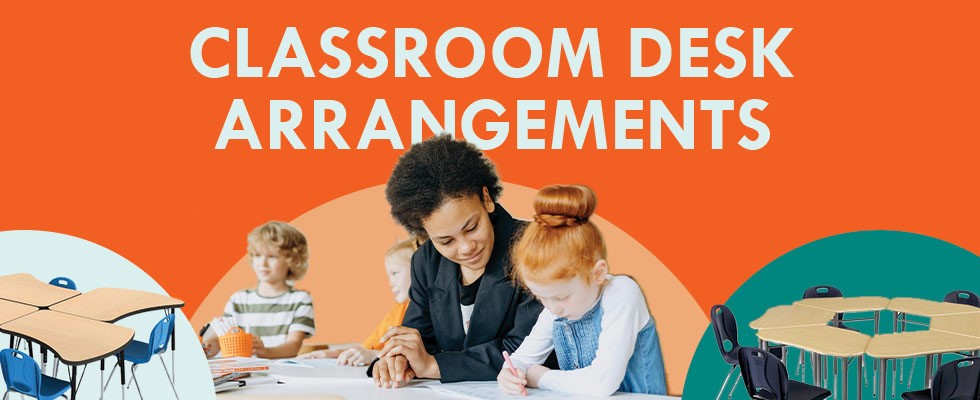
Walk into your classroom at the start of the day. The desks are set the way they’ve always been set. Rows kind of feel like the safe play. They're predictable and easy to manage. But somewhere between your mini-lesson and independent work, you notice it. A few students lean back and disengage. A discussion that could have taken off stays quiet. The energy in the room doesn’t quite match the potential you know your students have.
That’s where classroom desk arrangement comes into play. The way your desks are positioned can influence how your students interact, how easily they collaborate, and how connected they feel to the lesson. It’s one of the most accessible (and affordable) ways to shape engagement without changing your curriculum or adding something new to your plate.
In this guide, we’ll explore effective classroom desk arrangement options, look at why student engagement is important in the first place, and walk through how classroom furniture design can make flexible layouts easier to sustain in your classroom.
Why classroom desk arrangement matters for student engagement
As the Professional Learning Board points out, yes, classroom seating alone can really impact how your students pay attention, learn, and perform academically. In every classroom, engagement, of course, looks a little different. For some students, it’s raising a hand. For others, it’s leaning in during group work or asking a thoughtful follow-up question. What stays consistent is that engaged students are more likely to retain information, participate meaningfully, and feel connected to the learning environment.
For your students, you know that any opportunity you have to make it "easier" for them to feel comfortable enough to engage is a win. But there's science behind how young learners sit in learning spaces that correlates to how well they actually learn. Student engagement is so important, especially in modern, flexible learning spaces. And when they're able to participate without hesitation, your lessons flow more smoothly. Transitions to new topics or subjects take less effort. And your overall classroom culture feels more collaborative and focused.
Research shared by organizations like ASCD has consistently highlighted the connection between learning environments and student outcomes. Physical space isn’t separate from instruction. It supports it. When your classroom layout encourages visibility, movement, and interaction, your students experience learning differently.
Think about what your current setup communicates. Can your students easily turn and talk? Do they see one another during the discussion? Is it simple for you to move around and check in with individuals? Even before you begin teaching, your classroom desk arrangement shapes those answers.
An effective classroom desk arrangement often supports:
Clear sightlines for every student
Easy transitions between activities
Natural opportunities for peer interaction
A sense of inclusion within the room
When conversations about how to increase student engagement come up, it’s easy to focus on strategy and overlook space. Yet your layout quietly influences how those strategies play out.
The most effective classroom desk arrangements and when they work best
No single layout fits every lesson or every group of students. What works beautifully during a class discussion might feel limiting during independent writing. Testing and group layouts are naturally going to call for different desk arrangements, too. The key is understanding how each arrangement influences the way your students engage.
Rows or traditional layout
Rows are familiar for a reason. They create structure. And it's easy for new-school-year alphabetical seating. For direct instruction, assessments, or focused reading blocks, that structure can feel grounding. Rows, where students can readily see teachers up front, do tend to help students settle in more readily, as Edutopia shares.
In this setup, your students’ attention naturally centers forward. Distractions from peers are minimized. Clear expectations around independent work are easier to reinforce.
At the same time, collaboration requires more intention. When discussion is part of your goal, students may need to shift physically to connect with one another. Rows tend to support focus-heavy tasks best, like when your lesson requires sustained concentration.
Clusters or pods
When desks move into clusters, the dynamic in your classroom totally changes, and the shift happens almost immediately. Students face one another and get excited about talking. Conversations happen more organically, too. Materials can be shared among small groups without rearranging the entire room.
Pods often pair well with project-based learning, small group discussions, and cooperative problem solving. Many educators notice that quieter students contribute more comfortably within a smaller group.
Structure still matters. Clear norms around voice level and accountability help keep group work productive. When expectations are clear, clusters can increase participation and peer-to-peer engagement in meaningful ways.
Desks designed to support grouped seating can make these arrangements easier to maintain. You can explore options within the classroom desks category to see configurations that lend themselves to pod layouts.
U-shape or horseshoe
A U-shape places everyone within view of one another. Your students aren’t just facing you. They’re facing the conversation. For whole-class discussions, literature circles, or debate-style lessons, this arrangement can feel energizing. Students see reactions. They respond to their peers. Participation often feels more natural.
Space considerations come into play here. Smaller classrooms may require creativity to maintain walkways. But when room allows, a horseshoe layout can strengthen visibility and inclusion during dialogue-heavy lessons.
Pairs
Pairs offer a practical middle ground. Each student has a built-in partner, which makes quick collaborative activities seamless. Think-Pair-Share feels effortless in this configuration. Independent reflection flows into conversation without dragging desks across the room. For many classrooms, pairs provide a steady balance between focus and collaboration.
This arrangement is also one of the simplest adjustments to make with existing school furniture. Moving from rows to pairs doesn’t require new purchases, yet it can noticeably shift interaction patterns.
Flexible or hybrid layout
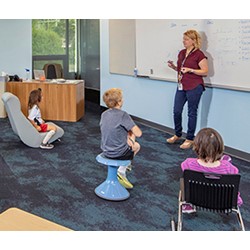
In a flexible classroom desk arrangement, permanence takes a back seat. Your layout evolves with the lesson. For example, one corner supports small group instruction. Another area accommodates independent work. Desks shift into pods during projects and return to rows during assessments. This approach works well when your classroom furniture also supports mobility. Lightweight desks, tables with casters, and adaptable surfaces reduce the friction of layout changes. When transitions are manageable (and super-easy because you have the right classroom furnishings), you’re more likely to adjust your layout to match your instructional goals. Flexible layouts often align closely with active learning environments, where movement and collaboration are just a part of the daily rhythm.
How to increase student engagement through furniture design
Layout ideas only go so far if the furniture itself makes movement difficult. Classroom furniture design plays a quiet but powerful role in how easily your room can adapt.
Mobility is often the first consideration. Desks or tables with casters allow your students to shift configurations with minimal effort. That small design detail can make the difference between trying something new and sticking with what feels easier.
Lightweight construction also matters. When furniture is manageable, your students can participate in rearranging the space. That sense of ownership can reinforce engagement in subtle ways.
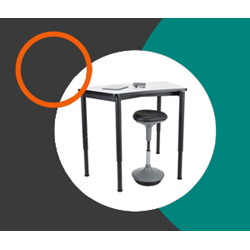
Adjustable height tables introduce flexibility for varied learning preferences. Some students focus better while standing. Others benefit from slight shifts in posture. Exploring adjustable height table options can open new possibilities for hybrid layouts.
Collaborative tables provide surface space that supports group work without crowding. In pod-based arrangements, larger shared surfaces encourage interaction and reduce the need for constant reshuffling of materials.
Activity tables can further expand flexibility, especially in elementary settings where group sizes and activities change throughout the day.
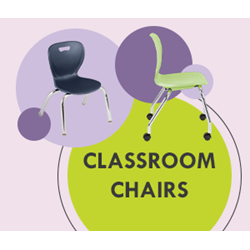
Seating is just as important. Classroom chairs should align comfortably with the desk height and allow your students to move with ease. The right combination of classroom furniture creates a learning environment that feels supportive rather than restrictive.
Thoughtful school furniture choices don’t dictate your teaching style. They just make it easier to adapt your space to match it.
Student engagement strategies that work hand in hand with arrangement
Your layout and your instructional approach are closely connected. Certain student engagement strategies naturally align with specific arrangements.
Think-Pair-Share pairs well with desk partners. Students reflect independently, discuss ideas, and then return to whole-class sharing with confidence.
Small group discussions thrive in pods. With four students facing one another, participation becomes more evenly distributed.
Whole-class debates benefit from U-shaped seating. Students can respond directly to peers, which strengthens listening and critical thinking.
Independent focus work often works best in rows. During reading blocks or writing assessments, minimizing visual distraction supports concentration.
As you explore how to increase student engagement, consider how your physical space either supports or complicates these strategies. Sometimes a small shift in arrangement unlocks greater participation.
For broader insight into learning environments, resources on creating positive classroom learning environments and building data-driven classrooms can provide additional perspective.
Tips for choosing the right arrangement for your classroom
Every classroom has its own personality. Room size, grade level, subject area, and student dynamics all influence what feels effective. Observation can be a helpful starting point. Notice when your students lean in and when they start to drift. Those patterns often reveal whether a thoughtful layout adjustment might support stronger engagement.
Small changes can make a noticeable difference, as well. Maybe try rearranging desks into pairs. If you've never tried group arrangements, try creating temporary pods during project weeks. And you can always test a U-shape for those big topic discussion days.
Budget considerations are real in every school community. Fortunately, increasing engagement doesn't mean you have to rush out and buy new classroom furniture. Rearranging existing desks may shift the dynamic more than you expect.
When you’re ready to evaluate updates, reviewing activity table buying guides or classroom chair buying guides can clarify which features support long-term flexibility in your space. Your classroom desk arrangement can evolve over time. There’s room to experiment, reflect, and refine.
Frequently asked questions about classroom desk arrangements
What's the best classroom desk arrangement for student engagement?
The best arrangement depends on your lesson goals and your students’ needs. Flexible layouts that allow movement between independent and collaborative work often support higher engagement. Matching layout to purpose tends to produce the strongest and best student outcomes.
How does classroom furniture design affect learning?
Classroom furniture design (and furniture layout) influences how easily your space can adapt. Mobile, adjustable, and collaborative-friendly pieces make it simpler to implement varied student engagement strategies without disrupting instruction.
Why is student engagement important in the classroom?
Engaged students (of all ages) are more likely to participate, retain information, and feel connected to the learning process. Engagement supports academic growth and positive classroom culture.
How do I know which desk arrangement is right for my class?
Pay attention to your students to spot participation patterns and classroom flow. If your discussions feel limited or transitions feel forced, trying a different arrangement, even small experiments with your desk layouts, can help.
Can I boost student engagement without buying new furniture?
Yes. Rearranging existing desks into pairs, pods, or a U-shape can influence student participation immediately. While flexible classroom furniture can make changes easier, thoughtful layout adjustments alone can make a meaningful impact.
Creating an engaging classroom environment with the right support
Intentional classroom desk arrangement is one of the most practical tools available to you. And the right furniture makes flexibility feel manageable.
If you’d like to talk through layout ideas or explore desks and other classroom furniture designed for active learning, let's chat! Connecting with the School Outfitters team can provide all the guidance you need to tailor your classroom to your students.
Your space already holds tremendous potential. With thoughtful arrangement and supportive school furniture, your classroom can become a place where your students feel included, engaged, and ready to learn.