




There’s a moment right before a school art show begins when everything shifts. The hallway lights feel a little brighter; artwork lines the walls in every direction, and students start pulling their families toward their piece. You can see it on their faces. Pride, excitement, and a little disbelief that something they created is now part of something bigger.
It’s one of those events people remember.
But getting there takes real planning.
If you’ve ever wondered how to plan a school art show without it turning into a last-minute scramble, you’re not alone. Between selecting artwork, organizing displays, managing logistics, and creating an experience families will enjoy, it can feel like a lot to hold together at once.
The good news is it doesn’t have to feel overwhelming. With a clear plan and a few smart decisions along the way, your art show can come together in a way that feels organized, intentional, and genuinely exciting for everyone involved.
Step 1: Start with a theme and timeline
Every strong art show starts with a clear direction. Without it, things can start to feel scattered quickly. With it, everything begins to connect.
A theme does more than give your event a title. It helps shape how artwork is selected, how displays are arranged, and how the show is presented to families. It also gives students something to connect to, which naturally boosts engagement.
If you’re exploring school art show ideas, the most successful themes tend to be simple, flexible, and easy for students to interpret in their own way. Seasonal themes work well because they feel familiar. Curriculum-based ideas tie directly into what students are already learning. Community-focused themes often create a deeper connection, especially when students see their own experiences reflected in the work around them.
Once your theme is in place, the next step is building a timeline that actually works in a real classroom setting.
Starting about six to eight weeks in advance gives you enough space to move through each phase without rushing. Early on, you’ll focus on planning and selecting artwork. As the event gets closer, that shifts into preparation, layout, and logistics. That progression helps you stay in control instead of feeling like everything’s happening at once.
A clear timeline also makes it easier to communicate expectations with students and staff, which takes a lot of pressure off as the event approaches.
Theme ideas that instantly elevate your art show
If you want your show to feel a little more immersive or memorable, choosing the right theme can do a lot of the heavy lifting. The best themes give students room to be creative while also making the overall event feel cohesive and intentional.
Nature-based themes are always a strong starting point. Concepts like an enchanted forest, underwater worlds, or eco-art allow students to explore color, texture, and environmental ideas in ways that feel both creative and meaningful. These themes also translate well into the display space, making it easier to create sections that feel visually connected.
If you want something more interactive, immersive themes can completely transform the experience. A glow gallery using blacklight elements can turn familiar artwork into something unexpected. A living museum, where students stand with or present their work, adds a layer of engagement that families remember. Even something like an artful day at the beach can shift the tone from formal display to something more playful and inviting.
Themes centered around identity and emotion can create some of the most powerful work in a student art show. Ideas like masks and identities, portraits of ourselves, or the colors of our feelings give students space to express who they are. These shows tend to feel more personal, and they often lead to deeper conversations between students and their families.
You can also take a more technique-driven approach. Themes inspired by artistic styles like impressionism, cubism, or pop art help connect classroom learning to the final display. Students not only create artwork, but they also begin to understand how their work fits into a larger artistic tradition.
For something more imaginative, creative, and fantasy-based themes can open things up even further. Concepts like monsters and myths, space exploration, or dream-inspired worlds encourage students to think beyond the literal and experiment more freely.
And if your goal is to build connections within your school community, themes like belonging, stories of our town, or around the world can bring in cultural and personal perspectives that make the show feel especially meaningful.
The key is not choosing the most complex idea. It’s choosing one that gives your students room to explore while helping the entire show feel connected from start to finish.
Step 2: Curate and prepare the artwork
This is where your art show really starts to take shape, especially when you’re planning an art show for kids where every piece reflects a different stage of creativity and growth. It’s tempting to try to display everything, especially when students are excited to be included. But a well-curated show almost always feels stronger and more intentional. The goal is to create balance across grade levels, styles, and types of media without overwhelming the space.
A mix of painting, drawing, sculpture, and mixed media keeps things visually interesting as families move through the show. It also gives more students a chance to shine in different ways.
One of the easiest ways to build excitement is to involve students in the selection process. When they have a say in what gets displayed, they’re more invested. That carries into how they talk about their work and how they show up during the event.
Preparation matters just as much as selection. It doesn’t have to be complicated, but consistency goes a long way. Each piece should include clear, readable information like the student’s name, grade level, title, and medium. Mounting artwork or adding simple backing can instantly make it feel more finished and easier to display.
It’s also worth thinking about accessibility. Make sure artwork is placed at heights that work for younger students and are easy to view for all visitors. Small adjustments here can make a big difference in how inclusive the event feels.
Step 3: Plan your display space
This is the point where everything starts to feel real. Your display space shapes how people experience the entire event. Even strong artwork can feel lost in a layout that’s crowded or confusing. A thoughtful setup makes everything feel easier to move through and more enjoyable to explore.
Start with the space you have. Hallways, gyms, cafeterias, and libraries can all work. The key is how you guide people through it.
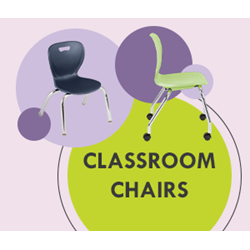
Creating zones helps everything feel intentional instead of overwhelming. You might need to arrange for seating with chairs. You might group artwork by grade level so families can easily find their child’s work. You might organize by theme or classroom to create a sense of flow. And you’ll likely need extra folding tables and classroom tables for signage and displays, too.
From there, think about how each type of artwork will be displayed.
Wall space works well for flat pieces, but three-dimensional work needs stable, accessible surfaces. That’s where flexible options like folding tables come in. They make it easy to create dedicated areas for sculptures and mixed media without overcomplicating your setup.
Additional table surfaces can help create natural focal points throughout the space. These spots draw attention and give you a chance to highlight certain projects or sections.
If you have access to display panels or partitions, they can help define sections and guide traffic more naturally. They also give the space a more polished, gallery-style feel.
This is where thoughtful classroom furniture choices really start to matter. The right setup doesn’t just hold artwork. It helps the entire space feel organized, welcoming, and easy to navigate.
Step 4: Logistics: Lighting, labels, and layout
This is where the details start to elevate everything.
Lighting makes a bigger difference than most people expect. Artwork displayed in dim or uneven lighting can lose its impact, even if it’s beautifully done. If you can, use brighter areas of the building or bring in additional lighting for key sections.
Labels are another small detail that has a big impact. When they’re consistent and easy to read, they help the entire show feel more cohesive. They also give students that moment when someone pauses, reads their name, and really sees their work.
A simple program or layout map can also help visitors move through the space more easily. It doesn’t need to be elaborate. Just something that helps people understand where they are and what they’re looking at.
Traffic flow is worth thinking through ahead of time. Leave enough space between displays so groups can move comfortably. Avoid placing high-interest areas too close together, which can cause crowding.
Step 5: Engage students and families
This is where your art show becomes something people actually talk about afterward.
A student art show feels completely different when students are involved beyond just displaying their work. Giving them even small roles shifts the energy of the entire event.
You might have students write short artist statements or serve as docents who talk about their work. Even informal gallery walk moments can create more connections than you’d expect.
Leading up to the event, simple communication helps build excitement. Flyers, emails, and announcements all contribute to that sense that something special is coming.
The night itself doesn’t need to be over-the-top to feel memorable. A few thoughtful touches go a long way. A guest book where families can leave notes. A small refreshment area that encourages people to stay longer. A photo spot where students can stand with their artwork.
Those are the moments that stick.
Step 6: Day-of and setup checklist
When the day arrives, having a clear plan makes everything easier.
Day-of setup essentials
Start by setting up all display surfaces and making sure everything is stable and ready to go. Check lighting throughout the space and adjust as needed. Place artwork carefully, keeping label placement consistent so everything feels clean and organized.
Set up any materials visitors will need at the entrance, like programs or maps. If you’re using a check-in area, make sure it’s clearly visible and easy to find.
Take a few minutes to brief any student volunteers so they feel confident in their roles. Double-check any audio or visual elements you plan to use, and leave a little flexibility for last-minute adjustments.
Having the right setup tools in place makes a huge difference in how smoothly this part goes.
Frequently asked questions about planning a school art show
How far in advance should I start planning a school art show?
Starting about six to eight weeks ahead gives you enough time to plan, prepare, and set up without feeling rushed.
What is a good theme for an elementary school art show?
Simple, relatable themes tend to work best. Seasonal, nature-based, or community-focused ideas help unify the show while still giving students creative freedom.
How do I display student artwork without frames?
Mounting artwork on backing paper or using display boards creates a clean, finished look without the need for frames.
What should I include on artwork labels?
Include the student’s name, grade, title, and medium. Keeping this consistent helps everything feel organized.
How do I make a school art show more interactive for families?
Add elements like student docents, artist statements, and guest books. These create more opportunities for connection.
How do I manage setup with a small team?
Start early, divide responsibilities clearly, and use flexible display setups to simplify the process.
Bring your school art show to life with School Outfitters
A well-planned art show does more than display student work. It brings your school community together, highlights creativity, and gives students a moment to feel proud of what they’ve created.
With the right approach, the process feels manageable, and the result feels meaningful.
If you’re building your setup, exploring the right school furniture can help you create a space that feels organized, welcoming, and ready for your event.
And if you want help pulling everything together, our team’s here for you. Whether you need layout ideas, product recommendations, or help placing an order, we’ll help you create a setup that feels polished, functional, and ready for a night your students won’t forget.