




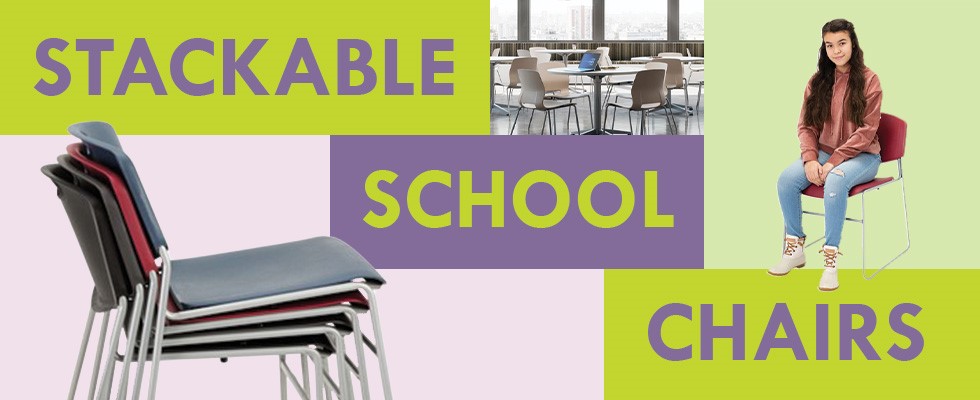
Walk into almost any school building, and you’ll see it. A classroom that needs to shift quickly for group work. A cafeteria that transforms for an evening event. A multipurpose room that serves three different functions in a single week. When space needs to flex, the furniture has to flex with it. That’s where stackable school chairs come in, and they're life-savers for busy educators with constantly-changing learning spaces.
When you can quickly stack chairs and make room for the next learning experience, it's a win for both teachers and students. Stackable chairs are popular school furniture must-haves because they can make the most of every square foot without sacrificing comfort or durability. But not all school chairs (especially stacking variations) are built the same. And the right choice depends on who’s using them, how often they’re moved, and how heavily they’ll be used.
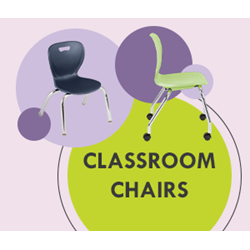
If you’re exploring options, it helps to start with a full view of available classroom chairs and narrow down from there based on your space and student needs.
Why stackable chairs are a smart investment for schools
Stackable chairs earn their place in schools because they solve real, everyday challenges.
First off, there’s space. Classrooms and shared areas rarely have extra room to spare. Being able to stack chairs safely and neatly frees up floor space for activities, cleaning, and events. In multipurpose environments, that flexibility makes scheduling and setup much easier.
Then there’s reconfiguration. Teachers and administrators are constantly adapting rooms for testing, assemblies, collaborative projects, or after-school programs. Lightweight, stackable seating makes those learning space transitions smoother and less time-consuming.
Durability is just as important. In high-traffic school settings, chairs are moved, stacked, unstacked, and cleaned regularly. A well-built stack chair holds up to that routine without loosening joints or cracking shells.
While budget always matters, long-term value matters more. Chairs that need replacing every year or two create more work and higher costs over time. Choosing quality up front often leads to fewer replacements and fewer headaches later. The key is matching the chair to the environment and the students who use it.
Stackable chairs work across a wide range of school settings, including:
Classrooms
Libraries
Cafeterias
Gyms
Auditoriums
Multipurpose rooms
Types of stackable school chairs: Know your options
Plastic stackable chairs
Plastic stackable chairs are one of the most common choices in schools. They’re lightweight, easy to wipe down, and available in a whole range of colors and sizes.
That said, not all plastic stackable chairs are created equal. Thin shells can sometimes flex too much or crack under daily use, especially with younger, more active learners. In those settings, the reinforced shells and thicker plastic can provide better long-term durability. When you compare plastic stackable chairs for your students, consider the material details and weight capacities. A slightly heavier chair often signals a sturdier design.
Heavy duty stackable chairs
No matter how well-behaved your young learners are, some environments just call for extra strength. That's when you might consider the heavy-duty stackable chairs. They're built for high-traffic (or constantly changing) areas and older students. Middle and high school classrooms, cafeterias, and assembly spaces often benefit from chairs with reinforced frames and higher weight capacities.
Steel frames add structural support where it matters. And this added durability means your stackable chairs maintain stability over time. Heavy-duty plastic stackable chairs combine reinforced shells with those stronger frames. So, they bring the added durability without the excessive weight.
Upgrading to heavy-duty options makes sense when chairs are stacked frequently, used by a wide range of body types, or placed in spaces that see constant movement.
Preschool stackable chairs
Preschool stackable chairs are designed specifically for young learners. Size is the most important factor here. A chair that fits your middle school students won't necessarily support proper posture for a preschooler.
Look for:
Lower seat heights
Rounded edges
Stable, tip-resistant bases
Bright, welcoming color options
Proper sizing supports comfort and helps young students sit with better balance and focus. Preschool stacking chairs also tend to feature smooth surfaces that are easy to clean, which is especially important in early learning environments.
Indoor and outdoor stacking chairs
Another great place to use stacking chairs is outside. Your students might have picnic areas, outdoor eating nooks, or play spaces that benefit from quick and easy seating. But not every stackable chair is designed to handle outdoor exposure. If chairs will transition between indoor and outdoor settings, materials matter.
Indoor stacking chairs typically focus on comfort and classroom durability. Outdoor-capable chairs may include UV-resistant finishes and moisture-resistant materials.
If your school hosts events on playgrounds, patios, or open-air spaces, choosing stackable chairs designed for both environments can add flexibility and extend their lifespan.
What to look for when buying stackable chairs for schools
Choosing stackable chairs becomes easier when you know what details matter most.
Weight capacity
Make sure the chair supports the age group and size of the students who will use it. This is especially important in middle and high school settings. A clearly stated weight rating provides reassurance that the chair can handle daily use.
Stack height
How many chairs can safely stack? Some models stack five high. Others stack ten or more. If storage space is limited, stack height can make a noticeable difference in how efficiently chairs are stored.
Material and durability
Reinforced plastic, welded steel frames, and UV-resistant finishes all contribute to a longer lifespan. Look for chairs that feel stable and solid when lifted or moved.
Glides and floor protection
Rubber or nylon glides help protect flooring and reduce noise during movement. In schools with finished floors or gym surfaces, this detail can prevent long-term wear.
Ease of cleaning
Smooth surfaces with minimal crevices are easier to wipe down. In school environments, where spills and messes are part of daily life, this makes maintenance more manageable.
Warranty
A strong warranty often reflects confidence in the chair’s construction. Five to ten-year warranties are common for quality models, and some heavy-use chairs offer longer structural coverage.
For a deeper look at how different styles compare, the School Chair Buying Guide provides additional details to support decision-making.
Stackable chairs for use in various school settings
Different spaces place different demands on seating. Thinking through the primary use of the room or learning space application can narrow the field quickly when you're ready to buy stackable school chairs.
Classrooms: K–5
In elementary classrooms, sizing and mobility are key. Students need chairs that fit their height comfortably and allow them to move with ease during transitions. Lighter-weight plastic stackable chairs often work well here, especially in bright, welcoming colors that complement the learning environment. Explore dedicated elementary school chairs to find options tailored for your younger students.
Classrooms: 6–12
Older students are obviously going to need larger seat heights and stronger frames. Neutral colors are often preferred in middle and high school classrooms. Heavy-duty stackable chairs with reinforced frames are a smart choice in spaces where chairs are moved frequently.
For options built with older students in mind, browse middle and high school chairs.
Cafeterias and gyms
These spaces see constant movement and heavy use. Chairs are stacked and unstacked daily. In this setting, maximum stack height and reinforced frames matter most. Heavy-duty plastic or steel reinforced chairs hold up well in cafeterias and gyms. Easy wipe-down surfaces also simplify cleanup between lunch periods or events.
Multipurpose rooms and auditoriums
In assembly areas and shared spaces, efficiency is everything. Chairs need to stack neatly and move easily. Compatibility with storage dollies or carts can save time during setup and teardown, too.
If your school frequently rearranges seating for performances or meetings, prioritizing stack efficiency and portability can make those transitions smoother. Check out our assembly room guides for more inspiration in outfitting your multipurpose rooms.
Frequently asked questions about stackable school chairs
What are the best stackable chairs for schools?
Reinforced plastic or steel-framed options tend to perform well in high-use environments. For younger students, proper sizing and stability are the top priorities.
How many chairs can you safely stack?
Stack height varies by model. Some chairs stack five high, while others stack ten or more. Always follow the manufacturer’s recommendations to ensure safe storage.
Are plastic stackable chairs durable enough for daily school use?
High-quality plastic stackable chairs are designed for daily use in schools. Look for reinforced shells and sturdy frames rather than thinner, lightweight models intended for occasional use.
What size stackable chairs do I need for preschool versus older students?
Preschool stackable chairs have lower seat heights and smaller dimensions to support young learners. Middle and high school students require larger seat heights and stronger frames to ensure comfort and stability.
Are heavy-duty stackable chairs worth the extra cost?
In high-traffic areas or settings with frequent stacking, heavy-duty stackable chairs often provide better long-term value. Their reinforced construction reduces the likelihood of damage or early replacement.
What should I look for in a stackable chair warranty?
Look for warranties that cover structural integrity for several years. A longer warranty often reflects confidence in materials and construction quality.
Choose confidently with School Outfitters
Selecting the right stackable school chair comes down to understanding your students, your space, and how the chairs will be used every day. A preschool classroom has different needs than a high school cafeteria. A multipurpose room places different demands on classroom furniture than a library.
When you match the chair to the environment, you create a more flexible, comfortable space for young learners and the educators who support them.
Having the right support makes the process easier and ensures the chairs you choose will serve your school community well for years to come. Connect with School Outfitters to explore your options and Experience Positive.