




Key Takeaways: |
|
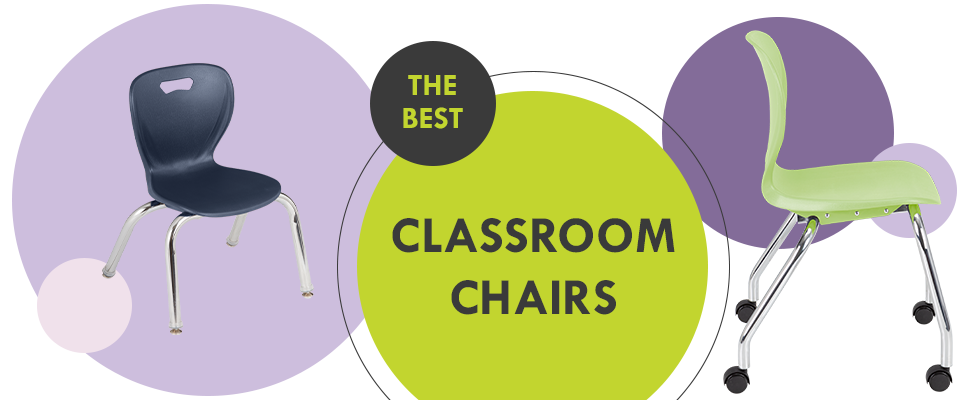
Classroom chairs are one of the most important pieces of furniture in your school, but they don’t last forever. And having old or outdated chairs is more than just a comfort issue – it can be a safety hazard.
If it’s time to start looking at new chairs for your district, you want to make sure you’re investing in the right options that are comfortable for students and allow teachers to create an optimal learning environment. In this blog, we’ll walk you through the process of choosing the right classroom chairs for your students and staff.
Evaluate Your Needs Before Buying
One of the first steps will be figuring out exactly how many chairs you need. You’ll want to take a close look at the condition of your current chairs to estimate how many – and what kind – need to be replaced.
Audit Your Classroom Chairs
During your audit, keep a tally of how many chairs need to be replaced immediately, as well as any that are starting to show signs of wear and tear, which may need to be replaced in the coming years. Make sure to note the grade level and classroom type of each chair that needs to be replaced – you’ll need that information when it comes time to decide what type of chair you need to buy.
Once you’ve finished your audit, calculate how many chairs need to be replaced in each classroom and each building.
Consider Your Enrollment Numbers
While auditing your current inventory, you should also consider any fluctuations in enrollment numbers, or other district changes, that may impact the number of chairs you need.
Many districts, specifically those in larger cities, are seeing declining enrollment. In some instances, this may force a district to consolidate school buildings and funnel more students into one. If you’re impacted by declining enrollment or are facing consolidations in your buildings, you should keep this in mind while auditing your current inventory because it will likely impact how many chairs you need.
If enrollment is going down but you’re keeping buildings as is, for example, you may be able to cut down on the number of chairs you need overall and replace more across a wider range of classrooms. On the other hand, if you’re dealing with lower enrollment and are consolidating buildings, you may need to invest in additional seating, regardless of the condition of your current chairs.
Gather Insights from Staff
Once you have an understanding of how many chairs you need to replace, you should get insights that will help you decide what kind to buy – and no one knows a school’s needs better than its staff. Teachers, support staff, and others will provide valuable information that can help you better understand the right solution for your classrooms.
Talk to Your Teachers
Teachers have firsthand knowledge of what their classrooms and students need. They can tell you about specific accommodations students may require, provide insights on how they’ve seen chairs support or inhibit learning, and provide feedback on current chairs.
This is a good time to ask them about the learning strategies your teachers use in their classrooms, or strategies they’d like to incorporate. Most schools we hear from are facing a divide: They want to teach their students real-world skills, but are being assessed on standardized testing performance. Real-world skills require collaboration and flexibility, but standardized testing preparation often requires lectures.
If your teachers are facing a similar struggle, you should think about what kinds of learning spaces you want to create, and how the chairs you buy can support them. For example, maybe you want to make your classrooms more flexible so they can better accommodate switching between lecture-style learning and group work. If that’s the case, you’d probably want to look at mobile chairs and desks that can easily move from individual workstations to pods.
This is also the point where you should ask about any concerns or limitations they may face based on the chairs you choose. Some chairs could limit classroom layout options, so it’s important to get feedback on what will work for them and their students. If you’re not sure whether certain chairs will work with a specific classroom layout, you can try our free 3D classroom layout designer.
It’s important you speak with teachers at every grade level and across all subjects, including those in special education, to make sure every kind of learning environment is accounted for and that you get a clear picture of your students’ needs.
Ask Custodians to Weigh In
In addition to teachers, your custodial and maintenance staff will have valuable insights on what kinds of chairs may work best for your schools. Since they’re often the ones who clean and provide maintenance on school furniture, they’ll be able to pinpoint any potential issues.
Ask them if they’ve noticed any chairs that require frequent maintenance, any trends with wear and tear, or if they have any overall feedback on the cleaning and maintenance of your current chairs.
Your custodial staff will also be able to tell you if your existing chairs have scratched your floors. If that’s the case, you may want to invest in chairs with glides or consider chair mats to prevent further damage.
Find Chairs That Check the Most Important Boxes
School chairs come in a wide range of sizes and types – and it’s important you use the information you’ve gathered so far to guide your decision-making on which chairs are best. The findings of your audit and the insights you get from your staff will give you a better understanding of the types of chairs you need to buy.
Size
Size is one of the most important factors when choosing classroom chairs. The right size typically depends on what grade level you’re buying for. We have a helpful chart in our School Chair Buying Guide that breaks down chair size by grade. We always recommend getting chairs that will fit at least 75% of your students – and it’s often best to order the larger size in the suggested size range.
You should also consider whether your existing classroom desks and tables can accommodate the new chairs you’re looking at. Measure the height of your tables and desks, and make sure there’s a 10- to 12-inch gap between the desk or tabletop and the seat of the chair.
Accessibility and Inclusion
Promoting inclusivity is critical in school, and inclusivity is more than just accommodation. It’s having the right options to help every student feel like they belong.
To help achieve true inclusivity, we often recommend giving all students choices about what kinds of chairs they can have. Providing inclusive options to all of your students makes the accommodation less obvious to the students who need them, so they don’t feel like they’re standing out.
When considering what kind of seating options you want to make available, remember to use the insights from your teachers and other staff members to make sure every student is represented. This could include flexible options like sit-to-stand stools, rocker chairs, or other adaptive seating.
You should also consider students who may not fit comfortably in certain chair sizes or types. Kids grow at different rates, and you want to make sure your classrooms have chair options that are suitable for everyone.
Classroom Type
You should also consider what kind of classroom you’re buying chairs for. The right kind of chair for a math classroom or homeroom will differ from the best seating for a science lab or art classroom. Our School Chair Buying Guide has a breakdown of chair types and what works best for specific use cases.
This is also a good time to decide whether you’re looking for chairs equivalent to what you already have or if you want to try incorporating a different kind of seating. Your staff insights will help you decide if you need something new.
Certification
Some school chairs have certifications to show that they meet certain standards for safety, durability, or environmental health.
School Outfitters offers chairs and other products with a wide range of certifications, including GREENGUARD and GREENGUARD Gold furniture that’s certified for low chemical emissions, and BIFMA-compliant furniture that meets specific safety and durability standards.
Certifications can help make your school a safer and healthier place for students to learn, but may also be necessary to comply with state or local purchasing requirements. Some certifications may also be required for grant funding.
Determine What's In Your Budget
You should keep your budget in mind throughout the entire process, but once you’ve figured out how many chairs and what types you need, you’ll have a better idea of the cost you’re looking at and what, realistically, you can afford.
Consider whether you have the funds to replace all your chairs at once. If you have a limited budget or are addressing other furniture needs at the same time as your chairs, you may need to replace chairs in phases, focusing first on those in the worst condition.
Pro Tips for Budgeting
Staying within budget can be tricky, but there are some tips you can follow to ensure you’re spending responsibly.
Think Long-Term: Try to look beyond the upfront price and think of the cost over time. If you choose to spend less now on a chair, you may need to replace it sooner than a higher-cost option that’s more durable. Investing upfront may actually give you a lower cost per year.
Consider Warranties: Check warranties on any chairs you may be interested in purchasing. If you choose an option with a longer warranty, that will help eliminate future replacement costs within that time frame.
Work With a Supplier: If your total starts adding up and you’re concerned the chairs you need are too expensive, reach out to your supplier. Some vendors will be able to work with you and come up with a custom solution to match the specifications you need.
Compare Your Vendor Options
In addition to helping you stay within your budget, finding the right vendor will make the overall purchasing process easier and handle small details that will free up your time.
When considering your vendor options, you need to keep a few things in mind.
Do You Have a Cooperative Purchasing Contract?
If you’re part of a cooperative, you should check with your authorized vendor first and work with them to determine the cost of replacing your chairs. See what seating options are available in their catalog and if they can meet your needs within budget.
If you don’t have a cooperative agreement or want to purchase outside your contract, you’ll need to follow state laws and district policies to find a vendor. Depending on your chair replacement budget, this may involve submitting a formal Request for Proposal and engaging in a bidding process with multiple vendors. If it’s a smaller purchase, you can choose your vendor without getting quotes.
What to Ask Potential Vendors
Whether you’re weighing options within or outside of a co-op, you should make sure to ask potential vendors the right questions to ensure they can meet your needs.
Do you offer samples? Some vendors will send you a sample product so you and your staff members can check that it will actually work for your classrooms.
What are your lead times? You don’t want to be in a situation where your chairs aren’t being delivered on time when you need them. You should make it clear to your vendor when you need your chairs delivered and see if they can accommodate. If you’re in a pinch and need an immediate chair replacement, you’ll probably want to opt for more conventional colors like charcoal or navy because they’re more likely to be in stock and ready to ship.
What are your delivery terms? You should ask about things like shipping costs, who’s responsible for delivering, and if they can deliver to multiple buildings if needed. You’ll also want to ask what happens if a product is delivered damaged.
Do you offer installation? Some vendors (like School Outfitters) will do more than just deliver your chairs – they’ll bring them in and set them up in your classrooms for a seamless experience.
Do you offer removal of old chairs? You may not want to be left with hundreds of old chairs you need to dispose of. Ask vendors if they’ll take away your old chairs when they deliver the new ones.
Do you offer warranties? You should check what kind of warranties are available on your chairs – and ask how the process works if you need to submit a claim – before signing a contract.
What other furniture is available? If you need other furniture in addition to your chairs, ask your vendor what else they sell, and what variety they offer.
Ready to Replace Your Classroom Chairs?
Classroom chairs are key to ensuring students have a safe, comfortable place to learn. If the chairs in your schools are aging or worn down, it’s important to replace them before they become a serious safety hazard.
At School Outfitters, we offer chairs for all kinds of classrooms and students, from pre-school all the way through to college. Whether you need a few new chairs in a pinch or a full makeover of all your school seating, our experts will work closely with you to find the best solution to meet the needs of your students and staff – and stay within your budget. Get in touch with us to request a free quote on new classroom chairs.