




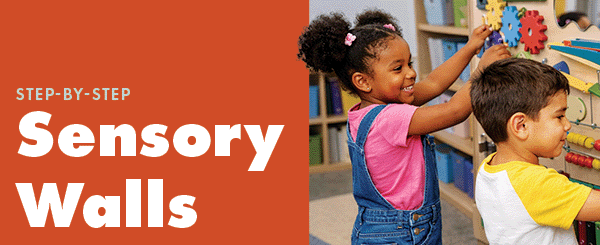
A sensory wall is one of those simple additions that can completely shift the energy of a classroom. It gives students a place to touch, try, explore, calm, and learn in a hands-on way. Whether you teach early learners or support students in special education, a well-planned tactile sensory wall can boost fine motor skills, ease transitions, and strengthen sensory regulation.
This guide walks you through everything you need to set one up. You will see the difference between DIY setups and school-ready sensory wall panels, what materials to gather, how to design the layout, and how to install everything safely. Nothing complicated. Nothing trendy for the sake of trend. Just practical, classroom-tested advice from your Experience Positive classroom furniture partners.
What is a sensory wall?
A sensory wall is a vertical panel or series of panels with textures, movements, and hands-on elements students can explore. Some walls focus on tactile surfaces. Others include sliders, gears, switches, mirrors, or visual features that support sensory integration activities.
School administrators and teachers love them because they’re great for supporting sensory seeking young learners who need a safe tactile outlet. They strengthen fine motor skills and encourage cause-and-effect learning. Many teachers add them to sensory corners or calming areas to help students regulate, especially during transitions. OTs often use them as part of sensory room equipment because the vertical surface supports posture, balance, and coordinated movement.
Sensory walls in schools: Key benefits for students
A well-designed classroom sensory wall helps students settle, regulate, and stay engaged. Students who struggle with sensory processing often relax when they have access to a predictable tactile space. Children who crave movement or deep pressure use the wall to release energy in appropriate ways.
These panels also open the door to independent exploration. Students can try textures, experiment with motions, and build small-motor skills without constant adult prompts. In special education classrooms, sensory walls often become a natural part of a sensory corner or calm-down zone because they lower anxiety and give the hands something productive to do.
Imagine the looks on their faces when you bring one of these Calming Bubble Walls into your classroom. |
Step 1: Choose the right classroom spot for your sensory wall
Aim for a spot that feels accessible but not chaotic. Hallways, doorways, and busy traffic paths rarely work long-term. Choose an area free of competing visuals so students do not become overstimulated.
Keep height in mind, too. Younger students and those with mobility challenges need reachable panels, and ADA guidelines help you determine a safe range. If your school has outdoor space, you can use weatherproof outdoor sensory wall panels to create a sensory zone near a playground or courtyard.
Step 2: Decide between DIY or pre-made sensory wall panels
Some classrooms build their own sensory walls. Others use ready-made panels designed specifically for schools. Both choices work. It comes down to durability, safety, and the time you have.
DIY sensory wall pros and cons
DIY gives you creative freedom. You choose the textures, the themes, and the mix of elements. It usually costs less up front.
Where DIY walls tend to struggle is durability. Classroom use is heavy use. Locks, wheels, and switches loosen. Adhesives fail. Safety becomes your responsibility. Many teachers underestimate how much maintenance DIY requires once the novelty wears off.
Pre-made wall panels pros and cons
Pre-made sensory wall panels use school-rated materials that hold up to daily use. They arrive finished, rounded, and designed to keep hands safe. They cost more, but the longevity usually evens out the investment.
If you want to explore options, School Outfitters offers a full range of sensory wall panels for schools that fit different grade levels and sensory needs.
Step 3: Gather materials
Your materials depend on whether you choose a full DIY route or work with pre-made systems.
DIY material ideas
Many teachers start with a plywood or MDF board and add a mix of textures and movement pieces. Common materials include Velcro patches, faux-grass tiles, soft felt, foam squares, fabric scraps, locks, sliders, latches, spinning wheels, small gears, mirrors, and busy-board hardware. Sensory items for the classroom, such as fidgets or textured grips, also attach easily.
Pre-made panel options
Pre-made panels come in themes and textures that already fit school environments. You can choose tactile sensory panels, artful sensory wall panels, outdoor sensory wall panels for playground spaces, or modular systems that connect to create a large, interesting surface.
Step 4: Design the layout
Your layout shapes how students use the wall. Some teachers group textures into a tactile zone. Others add movable pieces that strengthen fine motor skills. Visual elements such as mirrors or high-contrast shapes support tracking and attention. Cause-and-effect pieces help students understand how motion creates response.
Keep the layout simple. Spread out textures to prevent clustered overstimulation. Leave space for students to walk up, step back, and reposition themselves. Vertical height matters too. Younger students need panels placed lower, while a mixed-age room benefits from panels mounted at multiple heights.
Step 5: Install your sensory wall safely
Safety should guide every installation choice. Panels need secure mounting so students cannot pull loose pieces from the wall. Edges should feel smooth with no exposed hardware. Test the strength of each element before students use it.
If you teach toddlers or early learners, avoid small parts or pieces that twist off. For K-5 classrooms, hardware-rated fasteners and durable surfaces keep the wall stable and safe through everyday use.
Step 6: Add optional outdoor elements
If your classroom flows into an outdoor play area, consider adding outdoor sensory wall panels to create a multisensory zone. Weather-resistant materials such as composite, coated metals, and sealed woods stand up to rain and repeated use. Some schools add a simple water wall structure or pair the wall with an outdoor sensory table when drainage and supervision allow. Outdoor textures tend to be bolder, so introduce variety without overwhelming the space.
How to use your sensory wall in the classroom
The best sensory walls become part of your daily routine rather than an occasional activity. OTs often use them during sensory integration activities. Teachers use them for transitions, calm-down strategies, or independent learning centers. Students who crave movement or tactile input often visit the wall before rejoining a group activity. Pairing the wall with a small rocking chair or wobble stool helps students regulate while seated.
Maintenance tips for long-lasting sensory walls
A clean wall lasts longer and stays safer. Wipe surfaces at the end of each week, especially high-touch textures. Replace worn pieces when they loosen or fray. A seasonal refresh introduces new textures without overwhelming students. Many teachers rotate panels so students stay curious while the core layout stays familiar.
FAQs
What materials work best for a sensory wall
Durable textures such as felt, foam tiles, faux grass, busy-board hardware, mirrors, and tactile panels designed for schools.
Are sensory walls safe for toddlers?
Yes, when mounted securely and built with large, fixed elements that cannot twist or break off.
How high should you install a sensory wall?
Most classrooms follow ADA reach guidelines and adjust height based on student age and mobility.
Can sensory walls be used outdoors?
Yes, when you use outdoor sensory wall panels or weatherproof materials.
What skills do sensory walls help develop?
Fine motor skills, tactile discrimination, visual tracking, sensory regulation, and cause-and-effect thinking.
Should sensory walls be placed in calm-down areas?
They work well in sensory corners because they give students something predictable and grounding to touch or explore.
Bringing sensory learning to life in your classroom
A sensory wall adds texture, creativity, and comfort to your learning space. It supports hands-on exploration, strengthens sensory regulation, and helps students feel grounded and ready to learn. Whether you build your own or invest in school-ready sensory wall panels, you create a classroom that respects how students take in the world.
School Outfitters offers a wide range of sensory wall panels, school furniture, and accessories for classrooms and sensory rooms. And when you need classroom chairs, sensory furnishings, or complete room design support, we’re here to help.