




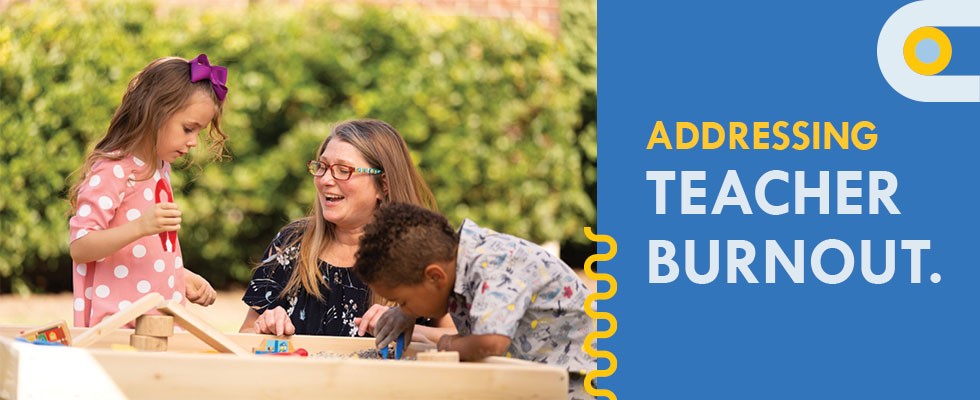
Teaching is one of the most emotionally demanding professions there is. Like nursing, it puts people in repeated contact with stress, trauma, and the needs of others, often without enough time or space to recover. And like nursing, teaching is a female-dominant profession. The National Center for Education Statistics consistently reports that roughly 76% of public school teachers are women, many of whom are also navigating the demands of motherhood alongside the demands of the classroom. A 2022 systematic review published in PMC found that 43% of teachers surveyed demonstrated symptoms related to secondary traumatic stress (STS), the same condition documented in nurses, first responders, and social workers.
When teachers don't have room to decompress, the classroom feels it. Instruction starts to look more like crowd control. Patience runs thin. Without teacher wellbeing, teaching can become a form of policing, marked by frustration, shouting, and reactive discipline rather than genuine connection. The ripple effects touch students, families, and entire school communities.
One often-overlooked piece of the teacher wellbeing puzzle is the physical environment. As one teacher advocate at the SxSW Edu 2026 Conference put it: "How can you expect someone to be soft when everything in their environment is hard?"
It's a question worth sitting with. And it points to something actionable: the spaces where teachers spend their time matter, and thoughtful design can make a real difference.
What does teacher burnout actually look like?
Teacher burnout isn't just feeling tired at the end of a long week. It's a slow erosion of empathic capacity, job satisfaction, and the ability to show up fully for students. Think of teachers as co-parents, people who need to be emotionally steady and balanced in order to give students what they need. That kind of sustained emotional presence takes a toll, and without regular opportunities to recalibrate, burnout is the predictable result.
The PMC systematic review found that teachers working with students from economically marginalized communities, and those in special education, face the highest risk of developing compassion fatigue and STS. And when burnout sets in, students notice, instruction quality drops, and teacher attrition rises.
That's the cost of not investing in teacher wellbeing. The good news is that the physical environment is one of the most practical levers schools can pull, and you don't need a full renovation to start.
How can small space changes make a big difference for teachers?
Consistent, intentional micro-shifts in existing spaces can help staff recalibrate throughout the day. These don't need to be sweeping changes. A softer chair here, a plant there, a calmer color palette in a break room. For staff absorbing the emotional weight of their students' lives day after day, these small differences add up.
Think about how a therapist's office is designed. It typically isn't sterile or institutional. It's soft, calm, and human. There's a reason for that. The environment signals safety, and safety makes it easier to process and recover. That same logic applies to every space teachers use between classes, during planning periods, and throughout the school day.
School Outfitters works with K-12 schools nationwide to help rethink staff spaces with exactly this kind of intentionality. From soft seating and lounge furniture to full space planning and project management services, we can help you take the first step without the overwhelm.
What are staff wellness and tranquility rooms?
Dedicated wellness rooms give teachers somewhere to go when they need to step away and reset. A Kaiser Permanente pilot project with RMC Health explored exactly this. When schools surveyed educators across multiple districts about what they most wanted in a staff wellbeing space, the same answers kept surfacing: a quiet, low-stimulation environment and a true mental and physical break.
These don't have to be large spaces. Even a modest, well-designed room can do a lot of good. Individual breakout spaces, even a single comfortable chair tucked into a calm corner, can serve a similar purpose for schools that can't dedicate a full room. The pilot also found that schools often identified finding the right room as the first obstacle, but the message from the research was clear: there is no right spot. Repurposed storage areas, unused classrooms, and upgraded staff lounges can all become effective wellbeing spaces when designed with intention.
Key elements to consider for staff wellness and tranquility rooms:
Soft seating: Lounge chairs, sofas, bean bags, and floor cushions introduce comfort that standard school furniture doesn't offer. The physical softness of a space communicates something emotionally, too.
Calming color palettes: Muted greens, warm neutrals, and nature-inspired tones create a different sensory experience than the bright, high-contrast colors common in instructional spaces.
Warm lighting: Lamp-style lighting rather than overhead fluorescents changes the entire feel of a room. The Kaiser Permanente pilot found warm lamp lighting was among the most-requested features.
Charging stations and coffee areas: Practical recharge elements ranked high in teacher surveys alongside the physical comfort items.
Low-sensory options: For teachers who experience sensory overload, access to low-stimulation environments and equipment during the day can be genuinely restorative.
Yoga mats and movement space: In gyms or multi-purpose areas, designating time and space for teacher use, with yoga mats or open floor space, gives staff a physical outlet for stress.
School Outfitters carries soft seating, lounge furniture, and wellness room essentials designed for educational environments. We also offer space planning services to help you figure out what's possible within your existing footprint.
How does biophilic design support teacher wellbeing?
Biophilic design, incorporating plants, natural light, green walls, and nature-inspired materials, is one of the most evidence-backed approaches to reducing stress in workplaces. A 2023 systematic review published in the International Journal of Environmental Research and Public Health (MDPI) analyzed 16 studies on biophilic workplace design and found that every single one showed reduced stress, improved mood, greater job satisfaction, and better cognitive performance.
For teacher spaces, this research supports:
Indoor plants and green walls: Even moderate greenery has been shown to positively impact physiological stress markers and emotional wellbeing. One study found a 12% green coverage ratio was the ideal dose for measurable psychological and physiological benefits.
Windows with nature views: Research found that workers with access to exterior views had significantly better alertness and lower acute stress than those without. The same principle applies to any helping profession, including teaching.
Nature-inspired sounds: Studies show that sounds of running water and birdsong reduce irritation and fatigue compared to typical indoor noise environments.
Outdoor seating near staff areas: Access to even a small outdoor break area, a patio, or a few benches reserved for staff extends the restorative benefit of fresh air and natural light.
If you're working within an existing building, you don't need to redesign everything. A few well-placed plants, a window seat, or an outdoor bench outside the staff lounge can meaningfully shift the experience of a break.
What makes a teacher lounge worth using?
Many teacher lounges are functional at best. A table, a microwave, maybe a few chairs that don't quite match. Rethinking this space as a true recovery area changes how staff experience their breaks.
Soft seating arrangements that allow for both social connection and individual separation give teachers options. Someone who needs quiet can find it. Someone who wants to decompress with a colleague can do that, too. A designated quiet zone, separate from the social area, respects both needs without requiring separate rooms.
A teacher lounge worth using tends to include:
Soft seating in arrangements that don't force interaction
A clearly designated quiet zone separate from social areas
Access to natural light or views of the outdoors
Plants or natural materials that bring warmth to the room
Outdoor seating adjacent to the lounge when space allows
School Outfitters can help you furnish and configure a teacher lounge that genuinely supports staff, not just one that checks a box.
What spaces support honest conversations between administrators and teachers?
The relationship between administrators and teachers matters enormously to staff wellbeing. When those conversations happen in rooms that feel like interrogation spaces or formal offices, it can make an already difficult dynamic harder.
Creating soft, collaborative spaces for administrator and teacher check-ins, with comfortable seating, warmer lighting, and less formal furniture arrangements, signals that the conversation is a two-way exchange. That shift in environment can change the tone of the interaction itself. Think less conference room, more collaborative therapy space.
This doesn't require a dedicated room. Repurposing an underused office or corner of a lounge with softer furniture and calmer colors can serve the same purpose.
What kind of furniture can facilitate teacher needs?
Inclusive design for teacher and staff spaces means making sure every person in the building can actually use and benefit from those spaces. Inclusive and special needs furniture refers to furnishings designed to accommodate the full range of physical needs, sensory needs, and mobility considerations.
For staff spaces, this includes:
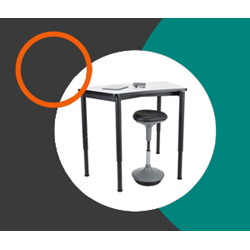
Adjustable-height tables and desks: Allow wheelchair users and staff with mobility differences to work and rest comfortably. Compliant with ADA Standards, these pieces make spaces genuinely accessible rather than just technically available.
Wheelchair-accessible seating arrangements: Layouts that include open space and accessible pathways alongside soft seating options.
Sensory-friendly furniture: Low-stimulation seating areas, weighted cushions, and soft textures support staff who experience sensory processing differences or who need a break from sensory overload during the day.
Lactation room furnishings: Teaching is a profession where the majority of staff are women, and many are actively nursing mothers. Federal law requires that employers provide a private, non-bathroom space for nursing employees, yet many schools still lack a properly equipped room. A dedicated lactation space should include a comfortable, cushioned chair with armrests, a surface for supplies and a pump, accessible electrical outlets, a privacy lock, and ideally a small refrigerator for milk storage. Providing this space isn't just a legal obligation. It's a meaningful signal that the school values the whole person, not just the professional.
Culturally responsive design: Incorporating colors, fabrics, and design elements that reflect and celebrate the backgrounds of staff and students creates an environment where more people feel seen. This might look like textiles or color palettes that reference the cultural heritage of the school community.
Inclusive design isn't a niche consideration. It's foundational to creating staff spaces that work for everyone. School Outfitters carries adjustable-height tables, accessible seating, and sensory-friendly furniture options for both student and staff spaces, all compliant with ADA standards.
What does the research say about investing in teacher spaces?
Teachers who feel supported are better equipped to support students. That connection is straightforward, but it's easy to deprioritize when budgets are tight and student-facing needs are always front of mind.
The Kaiser Permanente staff wellness room pilot concluded that wellbeing spaces help reduce stress, promote relaxation, improve morale, and increase teachers' sense of feeling valued by leadership. Critically, the research also noted that the space needs to be paired with clear messaging from administration acknowledging the reality of teacher stress, not treated as a standalone fix.
The PMC systematic review on compassion fatigue in teachers identified social support, work-life balance, and a sense of being valued as key protective factors against burnout. Space design can reinforce all three.
What happened when one school redesigned its staff space?
The Kaiser Permanente and RMC Health pilot surfaced consistent findings across multiple districts. Schools that had previously relegated staff breaks to a spare room with a microwave saw a meaningful shift in morale when they reimagined that space intentionally.
One insight from the pilot captured the broader principle well: "A healthy and recharged educator is more patient, engaged, and effective in the classroom, while also demonstrating to their students the importance of balance, boundaries, and well-being."
The pilot also found that schools often identified finding the right room as the first obstacle. But the message from the research was clear: there is no right spot. Repurposed storage areas, unused classrooms, or an upgraded staff lounge can all become effective wellbeing spaces when designed with intention.
How to get started
Meaningful improvements to staff spaces don't always require significant investment. Soft seating, plants, and thoughtful color choices can transform a room without a full renovation. And when those spaces help teachers show up steadier, more patient, and more present, the return on that investment shows up in classrooms every single day.
School Outfitters is a 100% employee-owned supplier serving K-12 schools nationwide. For staff and student spaces alike, we supply:
Soft seating and lounge furniture for wellness rooms, teacher lounges, and tranquility spaces
Inclusive and special needs furniture, including adjustable-height tables, accessible seating, sensory-friendly options, and lactation room furnishings
Student desks and classroom furniture for flexible, active learning environments
Science lab furniture built for safety, durability, and function
Library shelving and furniture designed for modern school media spaces
We also offer space planning, project management, and installation services to help you bring the vision to life from first conversation to final installation.
Your people are your most important asset. Let's make sure the spaces they work in reflect that. Talk to the School Outfitters team to get started.
About the author
Greg Nelson is a research professional and college educator who examines the impact of the physical environment on educational outcomes. As Director of Customer and Market Research at School Outfitters, he applies his research to learning space design, product innovation, brand communication, and website development. He also teaches psychology at Sinclair Community College in Dayton, OH. Courses taught include Educational Psychology, Lifespan Development, Social Psychology, Industrial/Organizational Psychology, and Intro to Psychology.