




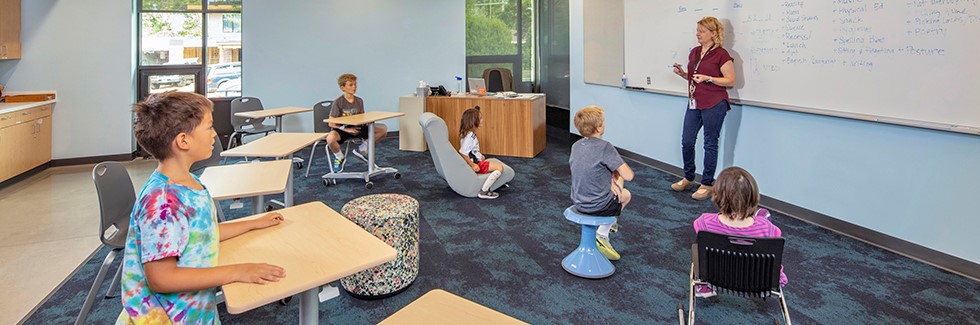
How Flexible Classroom Seating Benefits Students
A classroom's layout can have a significant impact on the educational success of students. However, different classrooms and students have different needs, so there often isn’t one clean answer as to what layout is best.
Flexible seating, which replaces conventional, rigid chairs with a variety of movable and adjustable options, offers a solution. Studies have shown that incorporating alternative seating like mobile chairs, bean bags, and wobble stools can improve student engagement and academic success.
Here is a closer look at four key advantages of flexible seating and how you can bring these benefits into your classroom.
Enhances Student Comfort
Inflexible or rigid seating can make it hard for students to remain engaged for extended periods of time. In fact, sitting in these kinds of seats over extended periods of time can lead to:
Fatigue
Discomfort
Inattention to learning
Increased misbehavior
Poor posture
Studies show that physical comfort leads to improved concentration and reduced fatigue, both of which are critical for desirable learning outcomes. Flexible seating allows students to learn in a more comfortable position.
Flexible classroom seating is also designed to increase focus by allowing students to lean, lounge, rock, wobble, or stand, and in general be freer with their movements, ultimately avoiding the fatigue and discomfort associated with decreased attention and learning. Movement boosts oxygen flow to the brain, which helps to keep students more alert and focused throughout long lessons.
These benefits are evident in real-world classroom environments. Albemarle County Public Schools in Virginia, for instance, implemented flexible seating in their classrooms and found that students' grades improved and engagement in classroom conversations increased
Flexible Seating Options for Student Comfort
| |
|


Empowers Students to Learn Their Way
Flexible seating for classrooms also helps educators cater to varying student needs. Many students learn differently, so a type of chair that works for one may not be as beneficial for another.
For instance, some students may prefer the softness and synergy of modular soft seating, which can be arranged into cozy pods for collaboration. Others may appreciate sit-to-stand stools, which allow students to effortlessly go from sitting to standing during work.
Preferences can even shift on an individual level. Studies show that when given a choice, students do not always choose to sit in the same type of chair, suggesting that a variety of seating options could improve on-task behavior and focus.
Allowing students to choose where they sit and learn in the classroom enables them to feel in control of their education. It empowers students to think about how they learn best and urges them to be more strategic with their choices. In addition to improving learning outcomes on an individual level, this teaches students an important life skill about paying attention to their own needs.
When students are given this level of freedom in the classroom, it elevates their mood, boosts their confidence, and improves their academic performance.
Flexible Seating Options for Classroom Variety
| |
|


Helps with Sensory Needs
For students with sensory issues, flexible seating can offer significant benefits.
Students with autism or ADHD, for example, often struggle with sensory overload or sensory-seeking behaviors. Flexible seating options like ball chairs or rocking chairs allow these students to move in ways that help regulate their sensory input. This can lead to improved focus and attention by providing a controlled outlet for their sensory needs.
Bouncy bands can benefit students who struggle with restlessness or the need to move as well. Long, textured rubber bands that attach to chair or desk legs, bouncy bands add an element of flexibility to traditional furnishings by allowing students to silently wiggle and bounce their feet.
For students who are sensitive to their environment, fixed, traditional seating can cause anxiety. Flexible seating, by contrast, can create a more welcoming and less intimidating atmosphere. This can be especially helpful for students who experience anxiety related to sensory stimuli.
Flexible Seating Options for Sensory Needs
| |
|


Enables Easier Layout Changes
Just as individual students’ needs can vary, classrooms often benefit from layout changes over time. Classroom flexible seating makes it easier to rearrange your class furniture to accommodate shifting needs.
Moveable classroom seating enables students to easily group together for collaborative activities. It also allows for a greater range of active learning strategies and teacher-student interactions, which lead to better learning outcomes compared to conventional, more fixed classroom setups.
Flexibility also makes it easier to rearrange classrooms as necessary for different class sizes. Teachers may also want to shift their layout before a new school year brings a new mix of students with different needs.
Whether it’s from varying needs, the demand for active learning environments, or fluctuating student populations, there is no one-size-fits-all answer to the best furniture layout. Flexible seating for the classroom gives schools the adaptability they need to account for this variety.
Flexible Seating Options for Dynamic Classrooms
| |
|


How to Make the Most of Flexible Classroom Seating
Experiencing all the benefits of flexible seating for the classroom means choosing the right options for your needs. Schools accustomed to conventional, rigid seating may also be unsure about how to proceed with flexible alternatives.
To help, here’s a quick guide on how to choose and implement flexible seating in your classroom.
Choose the Best Flexible Seating Options for Your Classroom
The first step in reaping the benefits of classroom flexible seating is to determine which options make the most sense for your classroom.
You can choose the best chairs for your needs by starting with specific requirements, including your budget, enrollment numbers, teacher and custodian input, and any size restrictions. Be sure to consider your existing furniture, too. What would complement your current setup? What needs does this furniture already meet, and what does it leave for you to address with new seating?
Aim for Functional Variety
When choosing flexible seating options, try to strike a balance between feasibility and versatility. Flexible seating works best when students can choose from multiple options, but too many different types of chairs may be impractical.
Most classrooms work well with three distinct types of seating. However, special ed or other classrooms with a wider range of needs may require more. When you are unsure about how many different options you need, dual-use and adaptable furniture is a great way to create a flexible classroom environment with a single seating style.
Create Room to Move
Remember, flexible seating in classrooms is about more than the adjustability of the chairs themselves. The overall arrangement must also be flexible to accommodate collaborative activities and active learning environments.
When arranging classroom furniture, leave room between stations so you or your students can move seats between areas more easily. Consider pairing flexible seating with mobile and modular desks and storage to streamline future changes and get more out of your seating options.
Experiment and Adapt
Finally, don’t be afraid to change things. There is no perfect recipe for flexible seating for every classroom, but the beauty in this approach is that it’s inherently adaptable.
As you implement new seating options and arrangements, pay attention to what works and what doesn’t. Experiment with different setups to find something that works for your classroom, and keep in mind that this will likely change over time, too, so stay flexible.
It may be best to start small and grow gradually. Begin with just a few alternative seating options and prioritize affordable flexible seating to stay within school budgets. Then, you can invest in more flexible options as you learn what’s most effective in your classroom and have a better grasp on how to implement it.
Find the Flexible Seating Your Classroom Needs
Bringing flexible seating into your classroom has many benefits, from improving attention spans to fostering a more inclusive environment. If you’re ready to take the next step and experience these advantages for yourself, School Outfitters is here to help.
We have a wide range of flexible seating options available, and our team has the in-school expertise to help you find the right solution for your needs. Reach out today to craft a more adaptable and welcoming classroom.
Have questions? We're here to help! Our experts are available by phone at 1-866-698-1167. You can also get personalized assistance through our Live Chat or by emailing us.