




A sensory-friendly learning space is an intentional environment that supports self-regulation, focus, and emotional comfort. And you take great care in creating these intentional spaces throughout the year. When the space works with students rather than against them, you often see calmer behavior, stronger engagement, and more independence.
But not all sensory-friendly learning spaces are created the same. And, of course, each of your special education students has unique needs, too. So, to help inspire new and creative ways to setup your classroom, keep reading. We’ll dive into the school furniture, aesthetics, and more to better support you and your special education learners and spaces.
Why sensory-friendly classrooms matter in special education
Students in special education programs rely on supportive environments that reduce stress instead of adding to it. Sensory-friendly design strengthens attention and emotional safety and helps students manage transitions. These environments also support IEP goals and reinforce occupational therapy strategies that students use every day.
When you reduce sensory friction, everyone benefits. Neurotypical students stay calmer, too, and the entire classroom runs more smoothly.
Key elements of sensory-friendly learning environments
1. Lighting that calms, not overwhelms
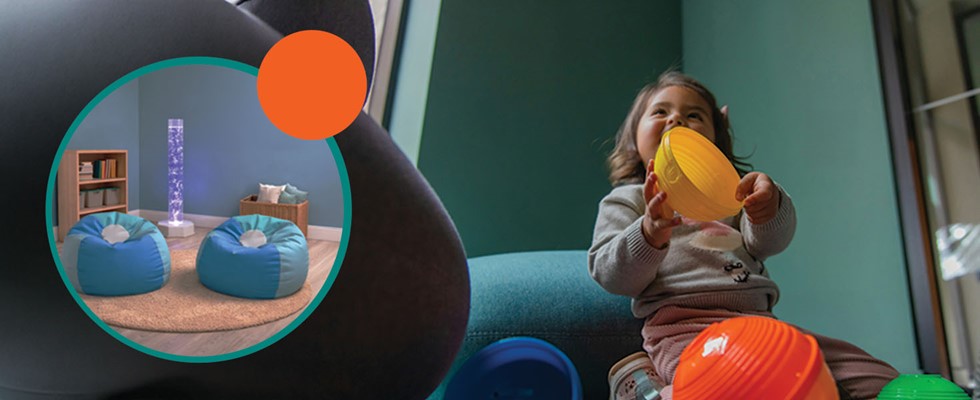
Lighting sets the tone for the room. Natural light works best when available. When it’s not, aim for soft or dimmable options that reduce glare. Bubble tube sensory lamps create a steady, calming effect in quiet zones when used with intention. Avoid harsh lights and bright, flashing visuals that overwhelm students who already feel overloaded.
2. Sound and noise management
Small noise shifts can disrupt learning or trigger anxiety. Softer materials, like carpets, rugs, and cushioned seating help absorb sound. Partitions create smaller acoustic zones and reduce echo. And quiet nooks and noise-canceling tools give students a place to recover when noise levels rise.
3. Flexible seating and movement options
Movement is a regulation tool, not a distraction. A sensory rocking chair, wobble stool, or balance seat gives students access to vestibular input without leaving the lesson. Layout choices matter here. Students stay more independent when they know where they can move or reset without interrupting the class.
4. Tactile and visual sensory zones
A tactile zone supports exploration in a controlled way. Sensory walls, sensory wall panels, and tactile boards let students access textures and visuals without overstimulation. Keep visuals unified and simple. Too many colors or mixed designs raise anxiety instead of lowering it.
Try our Classroom Design tool to bring your classroom layouts to life.
Designing a sensory corner that supports regulation
A sensory corner can feel predictable and structured to be the most supportive. Learn how to transform those once “miscellaneous storage corners” into brilliant little comfy nooks your special education students will love.
How to choose the location
Choose a low-traffic area away from doors, windows, or busy bulletin boards. If possible, use lighting that feels softer or more adjustable than the main classroom lighting.
What to include
Sensory items for the classroom, like their favorite fidgets, textured objects, and weighted pieces, should sit in clear, organized spots. Soft seating is a win, too. Bring in cushions or bean bags, to welcome students into the space. Remember to keep your options limited so your students don't feel overwhelmed.
Outdoor sensory corners
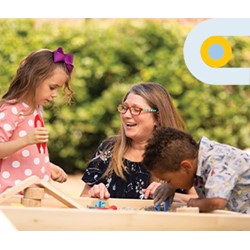
If you have outdoor access, extend your sensory plan outside. An outdoor sensory table or outdoor sensory wall panels give students new ways to regulate, especially those who respond well to fresh air or movement. Even a small outdoor nook can reduce stress quickly.
Creating an effective sensory room in your school
A sensory room serves a purpose beyond a calm classroom corner. It supports students who need deeper vestibular, tactile, or proprioceptive input that the regular classroom cannot safely provide.
Create zones for different needs: movement, tactile exploration, vestibular input, and quiet decompression. Prioritize safety. Secure equipment, anchor sensory wall panels, and keep the layout predictable.
Sensory room ideas for schools
Consider themed zones that create consistency, such as forest or ocean environments. Adjustable sensory tables and kids' sensory table stations encourage tactile exploration. A water sensory table works well when you have clear cleaning and supervision plans. Water can be highly regulating but requires strong routines.
Choosing sensory furniture that fits your classroom needs
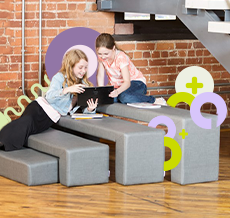
Think in categories, not individual products. Soft seating creates a stable, calming foundation. Sensory rocking chairs give vestibular support. Sensory tables encourage exploration and skill-building. Modular sensory furniture adjusts as student needs shift.
Strong storage solutions keep the room safe and easy to navigate. Organized access helps students gain independence, which is a major goal in special education settings.
How to keep your sensory space organized and safe
Organization keeps a sensory room functional. Rotate tools so students stay engaged without facing too many choices. Clear labels help students and staff return items to the right places.
Safety must stay top of mind. Clean tactile tools often. Follow protocols for water tables and bubble tubes. A little consistency prevents accidents and confusion.
Tips for maintaining a calming, inclusive classroom environment
Predictable routines lower anxiety and make classrooms feel more secure. Visual supports help students understand expectations. Scheduled sensory breaks prevent overload before it begins.
Collaboration with OTs and SLPs keeps your approach aligned with therapy goals and helps every adult in the room reinforce the same strategies.
FAQs
What should every sensory room include?
As you’re creating your spaces, consider furnishings that support movement, tactile tools, quiet seating, calm lighting, and predictable layout zones.
How do you create a calming sensory corner in a classroom?
Choose a quiet spot with soft seating and a few structured tools. Add clear visual prompts and keep choices simple.
What are the benefits of sensory rooms in schools?
When your special education students feel comfortable and welcomed, they’ll experience better regulation, smoother transitions, more independence, and stronger alignment with IEP and therapy goals.
How can teachers support sensory regulation without disrupting class?
Use flexible seating, movement options, and clear routines. Teach students how and when to use tools appropriately.
What sensory tools work best for special education students?
Consider weighted items, tactile tools, fidgets, proprioceptive tools, and structured sensory tables as common supports.
Helping every student feel supported
A sensory-friendly learning space strengthens focus, encourages independence, and helps students feel safe enough to learn. Whether you start with a small sensory corner or plan a full sensory room, each design choice shapes a better school experience for your learners.
School Outfitters provides a full range of sensory solutions, sensory furniture, and classroom furniture to help you build environments that support students across all abilities. And we make it easy for you to create these sensory-friendly learning spaces for your students year-round. Connect with us about your ideas, and we’ll help you find and outfit your classrooms for engagement, support, and hands-on learning.