




Walk into a classroom at arrival time and you’ll see it instantly. Backpacks land wherever there’s space. Coats slide off chairs. Lunchboxes pile up near the door. Personal items end up under tables or tucked behind desks because there’s nowhere obvious for them to go.
That kind of clutter doesn’t just affect how a room looks. It affects how smoothly the day starts, how quickly students settle in, and how much mental energy gets spent managing belongings instead of learning.
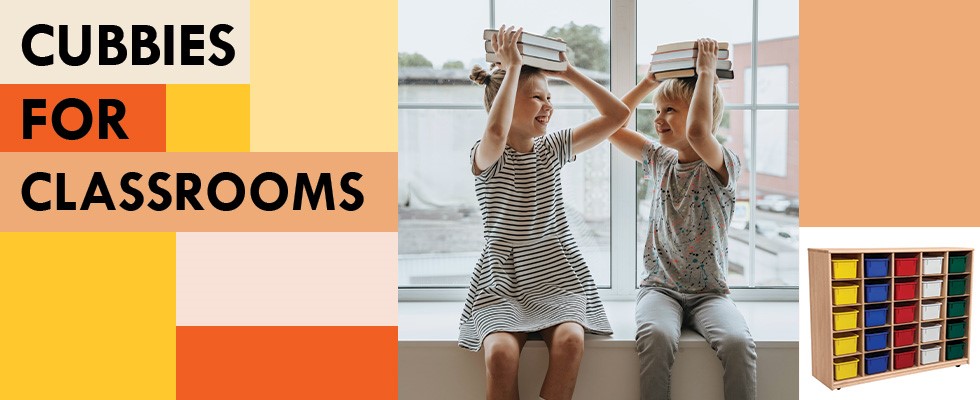
That’s where cubbies for classroom organization quietly make a big difference. At first glance, cubbies might seem like simple storage. In practice, they do much more. They create predictable routines. They give students ownership over their space. And they support independence in ways that show up all day long.
From preschool rooms to elementary classrooms and daycare environments, school cubbies for classrooms help turn busy spaces into calmer, more functional learning environments without adding complexity.
Why classroom organization matters for students
Organization isn’t just about keeping things tidy. In learning environments, it plays a direct role in how students move through the day.
When classrooms are organized, students spend less time searching for belongings and more time focused on what’s happening next. Transitions feel smoother. Expectations feel clearer. And the room itself supports learning instead of competing with it.
Thoughtful classroom furniture choices, including cubbies, help create that structure. When students know exactly where their items belong, they’re more likely to manage those items independently. That sense of predictability builds confidence, especially for younger learners who rely on visual cues and routines to navigate the day.
From a broader school furniture planning perspective, organization supports students doing more for themselves. That independence shows up in small moments, like unpacking a backpack or hanging up a coat, and those moments add up.
How cubbies help build student independence
Cubbies give students something incredibly powerful: a space that’s theirs.
With classroom cubbies in place, students have a designated spot for their belongings. That simple structure supports independence in very real ways.
Cubbies help students:
Take responsibility for their own materials
Follow arrival and dismissal routines with less guidance
Build habits around organization and care for shared spaces
Instead of handing items to a teacher or asking where something goes, students learn to manage those steps on their own. Over time, that builds confidence and reduces interruptions during busy parts of the day.
For teachers, this means fewer moments spent managing backpacks and coats. For students, it means daily opportunities to practice self-directed tasks in a safe, supportive environment. That’s one of the most meaningful benefits of cubbies for classroom spaces, even though it often happens quietly in the background.
Classroom cubbies by learning environment
Preschool and early learning spaces
In preschool and early learning rooms, accessibility is everything. Preschool cubbies and cubbies for daycare are designed with younger students in mind, making it easy for them to see, reach, and manage their belongings.
Lower heights, open compartments, and clear visual organization help children understand routines quickly. When items are visible and within reach, students can participate in arrival and cleanup routines with confidence.
In daycare settings, daycare cubbies also support social and emotional development by reinforcing consistency. Knowing where things go helps children feel secure, especially during transitions between activities.
These early habits matter. When students practice organizing their belongings in preschool, they carry those skills forward into elementary school and beyond.
Need inspiration? See how the Jonti-Craft Baltic Birch Paper Tray Cubby Unit or the Sprogs 30-Opening Double-Sided Cubby Unit can fit into your learning spaces. |
Elementary school classrooms
Elementary classrooms come with a different set of needs. Elementary school cubbies are often used for backpacks, coats, lunchboxes, and shared supplies. These items are larger, heavier, and used constantly throughout the day.
In busy classrooms, cubbies help maintain flow. Students know where to store their things and when to access them. That reduces congestion near doorways and helps transitions move faster.
Durability becomes especially important here. School cubbies in elementary settings need to stand up to daily use while still being easy for students to manage independently. When cubbies support routines effectively, teachers spend less time redirecting and more time teaching.
Find locker-style classroom cubbies, perfect for high-energy learning spaces and students with coats, backpacks, and lunchboxes, like the Sprogs Maple Six Selection Classroom Locker with Nameplates or the Sprogs Classroom Open Shelf Locker. |
Choosing the right cubbies for your classroom
Not all cubbies work the same way, and choosing the right option depends on how your classroom functions day to day.
When selecting cubbies, educators often consider:
The number of students and available wall or floor space
Whether open or partially enclosed compartments fit classroom routines
Materials that support durability and long-term use
Placement that keeps pathways clear and transitions smooth
Wooden cubbies are a popular choice because they offer durability and a clean, organized look that works across age groups. They tend to hold up well in high-traffic classrooms and blend easily into modern classroom designs.
From a planning standpoint, cubbies should support student age, room size, and daily routines. When they align with how the classroom actually operates, they become a natural part of the learning environment rather than an added obstacle.
How cubbies support teachers and classroom routines
Cubbies don’t just support students. They make a noticeable difference for teachers, too.
With well-placed school cubbies for classrooms, routines become more predictable. Arrival, dismissal, and transitions between activities take less time and require fewer reminders.
For educators, that often means:
Faster transitions between lessons
Less time managing clutter
Clear expectations students can follow independently
When cubbies are part of intentional school furniture supply planning, they support the overall flow of the classroom. Instead of reacting to clutter, teachers can rely on the space itself to reinforce routines.
Integrating cubbies into a complete classroom setup
Cubbies work best when they’re part of a larger system. In modern classrooms, storage, seating, and work surfaces all need to function together.
Effective classroom setups often include:
Seating that supports different learning activities
Tables sized for collaboration and independent work
Storage solutions that keep materials accessible without overwhelming the space
This is where working with experienced school furniture suppliers can be helpful. Planning cubbies alongside other furniture ensures everything fits together, both physically and functionally.
Partners like School Outfitters understand how cubbies fit into flexible learning spaces and modern classroom designs. Rather than treating storage as an afterthought, they help schools create environments where organization supports learning from the start.
Small storage, lasting impact
Cubbies might seem like a small detail, but their impact shows up throughout the day. Cubbies for classroom use support organization, encourage independence, and improve the overall flow of learning environments.
When students have clear places for their belongings, they move through routines with confidence. When classrooms are organized, teachers can focus more on instruction. And when storage is thoughtfully planned, the entire space works better for everyone in it.
Find the best school cubbies at School Outfitters
If you’re exploring school cubbies or school cubbies for classrooms, our school furniture experts are here to help. We’ll talk through your grade levels, room layouts, and routines to help you choose cubbies that support independence and fit naturally into your classroom design. Contact our team to help you find the best cubbies for your young learners.
FAQs about cubbies for classrooms
What are cubbies used for in a classroom?
Cubbies provide designated storage for student belongings like backpacks, coats, lunchboxes, and classroom materials. They help keep classrooms organized and support consistent daily routines.
How do cubbies support student independence?
Classroom cubbies give students personal space to manage their own belongings. This encourages responsibility, helps students follow routines independently, and reduces the need for teacher assistance during transitions.
Are cubbies appropriate for preschool and daycare classrooms?
Yes. Preschool cubbies and cubbies for daycare are commonly used to support early habit-building and organization. Lower heights and open compartments help young learners practice independence safely.
What type of cubbies work best for elementary school classrooms?
Elementary school cubbies are typically designed to hold backpacks, coats, and personal supplies while standing up to daily use. Durable materials and clearly defined compartments help support busy classroom environments.
Are wooden cubbies a good choice for schools?
Wooden cubbies are a popular option because they offer durability, stability, and a clean, organized look. They work well in early learning spaces, elementary classrooms, and shared student areas.
How many cubbies does a classroom need?
The number of cubbies depends on class size and how they’ll be used. Many classrooms choose one cubby per student to support ownership and organization, while others use shared cubbies for supplies or materials.