




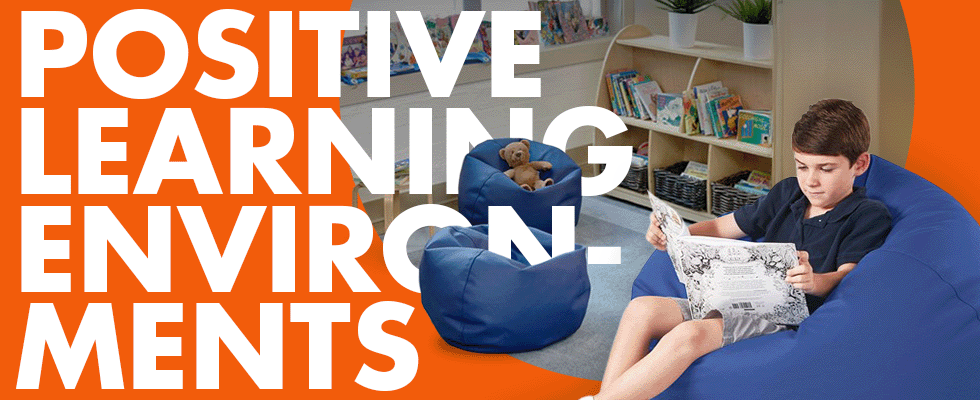
Creating a positive classroom environment is always your goal as a school administrator or district leader. And it’s a must-have for student success as well as teacher satisfaction. When your students (of all ages) walk into a space where they feel safe, supported, and seen, learning doesn’t just happen. It flourishes. And when teachers feel that same sense of calm, structure, and connection? They bring their best energy to the classroom every day.
Whether you're a first-year educator or a seasoned school administrator, this guide is jam-packed with practical, research-backed strategies to create learning spaces that are not only functional, but filled with joy, purpose, and positivity. From the layout of your room to the words you use and the tools you bring in, every detail can make a difference. Let’s dive into how to bring an "Experience Positive" approach to life in your classroom.
What is a positive classroom environment?
A truly positive classroom environment is one where students feel emotionally and physically safe, welcomed, supported, and motivated to learn. It’s more than just classroom management or colorful posters, though. (You might remember the poster of the kitty clinging to a clothesline with the tag, “Hang in there” from your youth.) Today, it’s about building a culture of kindness, structure, and growth. These environments are calm, inclusive, and organized. And they give your students the confidence to be themselves and the tools to succeed.
When classrooms are designed with positivity in mind, academic outcomes improve. Students feel empowered to participate, collaborate, and take risks in their learning. Emotional well-being also thrives, and stress goes down, while engagement and focus go up. But building out these spaces can sometimes be challenging. And that’s where we can help.
Benefits of a positive learning environment
Of course, there are positive benefits associated with positive learning spaces. The impact of a positive learning space extends far beyond how a classroom looks or feels. It deeply affects how students perform and how teachers thrive. When students feel emotionally secure, socially connected, and supported by their surroundings, they’re more likely to show up, engage, and succeed.
According to 2025 data from the Collaborative for Academic, Social, and Emotional Learning (CASEL), those schools that integrate positive climate practices and social-emotional learning show a 13% increase in academic performance and a 20% improvement in student behavior outcomes.
A classroom that fosters inclusion, structure, and emotional safety becomes a launchpad for learning and personal growth. Teachers also benefit, experiencing less stress, more rewarding interactions with students, and more time to focus on instruction rather than discipline.
For students:
Higher levels of motivation and participation
Better peer relationships and collaboration skills
Increased self-esteem and willingness to take academic risks
Improved emotional regulation and conflict resolution skills
For teachers:
Fewer behavior disruptions and smoother classroom management
Stronger bonds with students and more meaningful instruction
Greater job satisfaction and reduced burnout
More time for teaching and less time managing stress or conflict
Strategies to create a positive classroom environment
Positive learning environments are intentionally built through thoughtful routines, meaningful relationships, and purposeful design. Every choice a teacher makes, from how they greet students in the morning to how the room is arranged, sends a message: "You matter here." In this section, we’ll explore a variety of strategies educators can use to create a space where students feel safe to take risks, excited to participate, and motivated to grow. Whether you're setting expectations, fostering inclusion, or redesigning your space, these tips are meant to energize your practice and uplift your learners.
Let’s look at actionable, joyful ways to build and maintain a classroom that inspires students and supports teachers.
Set clear expectations and routines
Creating predictable routines and clear expectations helps students feel grounded and ready to learn. A structured day reduces anxiety, increases engagement, and gives learners the confidence to take academic risks. When expectations are consistently reinforced, students know what to expect and how to succeed, setting the stage for a focused, cooperative classroom.
Consistency gives students a sense of security. When expectations and routines are clear, students know what’s expected of them and how to succeed.
Ideas to try:
Post daily visual schedules for students to reference throughout the day
Use color-coded charts or picture cues for younger learners
Establish and practice classroom norms together during the first week of school
Reinforce routines with songs, hand signals, or chants
Furniture inspiration:
Visual schedule boards or magnetic calendars to reinforce routines
Cubbies and name-labeled bins for personal organization
Rug with defined seating zones for morning meetings and transitions
Stackable chairs or stools to flexibly create circle time or learning zones
Teachers love: Pocket chart stands for flexible, front-of-room visual reminders that adapt to every grade level.
Build strong teacher-student relationships
Strong relationships are at the heart of any positive classroom. When students know their teacher cares, they’re more likely to participate, respect others, and stay motivated. Small moments, like a daily greeting or thoughtful check-in, build trust and show students they matter. These bonds lay the groundwork for a supportive, emotionally safe environment.
Students thrive when they feel seen and heard. Building authentic relationships helps create emotional safety, the foundation of any positive learning space.
Ideas to try:
Greet students at the door with a high-five or personalized check-in
Build time into the day for individual conferences or quick chats
Model empathy during class discussions and conflicts
Share your own stories, experiences, and humor to build connection
Furniture inspiration:
Cozy seating areas for one-on-one chats or mentoring moments
Semi-private nooks for student reflection and journaling
Teacher stools and flexible seating to allow movement and proximity
“Buddy bench” or peace corner to promote peer-to-peer connection
Teachers love: Soft lounge chairs in reading corners double as perfect one-on-one zones during writing workshops.
Design a functional and inviting space
The physical setup of a classroom influences student behavior, attention, and comfort. A well-designed space feels warm, organized, and accessible to every learner. By balancing structure and flexibility, teachers can create an environment that encourages independence while still providing the calm, comforting atmosphere all students need.
Your classroom layout shapes how students feel and behave. A welcoming space says, “You belong here,” and sets the tone for collaboration, creativity, and calm.
Ideas to try:
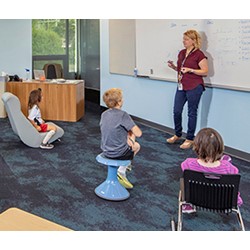
Use flexible seating to give students choice and autonomy
Add plants and natural light whenever possible
Keep materials labeled and organized in accessible bins
Use warm tones or calming blues to reduce overstimulation
Furniture inspiration:
Adjustable-height tables for group or individual work
Soft seating or bean bags in cozy corners
Classroom rugs to define zones and support routine transitions
Room dividers or play panels to define zones and reduce overstimulation
Bonus tip: Add a calm color palette with green and blue seating options to encourage focus and reduce stress.
Promote emotional safety and inclusivity
A classroom built on inclusivity and emotional safety empowers students of all ages to express themselves without fear of judgment. Respecting each child’s background, needs, and emotions helps create a space where everyone (teachers included) feels like they belong. Strive to build a learning space that supports empathy, modeling respect, and offering tools to help students manage big feelings.
A positive learning environment celebrates every learner. That means valuing all voices, respecting differences, and creating room for every student to grow.
Ideas to try:
Use inclusive language and books that reflect student identities
Create a peace table or designated area for conflict resolution
Incorporate SEL (social-emotional learning) moments into your morning meetings
Celebrate holidays and cultures represented in your class
Furniture inspiration:
Soft dividers or panels to create sensory stations
Calm-down corners with weighted lap pads or fidget tools
Display shelves for books that promote diversity and empathy
Adjustable lighting lamps for creating soothing visual environments
Teachers love: Sensory-friendly bean bags and soft lighting make quiet areas a peaceful place to recharge.
Encourage student ownership
When students help shape the space they learn in, they develop a sense of pride, responsibility, and motivation. Giving learners voice and choice, from seating to classroom jobs, strengthens engagement and builds self-confidence. Ownership also helps students feel like valued contributors to a shared community.
When students help shape their environment, they feel more connected and confident. A sense of ownership boosts motivation and makes the space feel truly theirs.
Ideas to try:
Let students design classroom job charts and rotate weekly roles
Create shared agreements instead of top-down rules
Display student work on walls and in personal spaces
Allow voice and choice in learning materials and seating options
Furniture inspiration:
Lockers or cubbies for storing personal items
Clipboards or portable desks for student-designed workspaces
Magnetic display boards for showcasing rotating student projects
Student job charts or role boards with magnetic or Velcro pieces
Teachers love: Mobile workstations allow students to take ownership of how and where they learn.
Celebrate effort and progress
Recognizing student effort sends the message that growth matters more than perfection. When you spotlight progress, students feel encouraged to keep trying, even when the task is tough. Simple moments of celebration fuel perseverance and create a culture of encouragement that benefits everyone.
In a positive classroom, celebrate the journey, not just the result. Recognizing effort, growth, and kindness creates a culture of encouragement and resilience.
Ideas to try:
Use praise that highlights specific behaviors or improvements
Start a “shout-out wall” for peer-to-peer recognition
Create personal progress folders or journals
Offer classroom rewards tied to team goals, not just individual behavior
Furniture inspiration:
Dry erase boards or brag boards for public praise
Portable bins for student portfolios
Incentive charts that can move and adapt with changing goals
Reward stations with tokens, stickers, or praise notes
Bonus tip: Try a gratitude circle at the end of the week. Let each student share a proud moment or kind act they saw.
How one Edutopia teacher focused on the positive
Nina Parrish shared her classroom experiences in this Edutopia teaching strategies article. For her, making the shift from “critic” to “cheerleader” came first. She then focused on observing her students to identify what “special gifts” they each had. It helped her identify unique student behaviors as they related to their unique motivations. And some of her observations might resonate with you and your students:
One student, who found writing nearly impossible and often kept his head low, could spin the most imaginative stories aloud.
A quiet girl with dyslexia lit up whenever she had a pencil in hand and her portraits were museum-worthy.
Another student, always tinkering, could disassemble and reassemble anything from a stapler to a small engine like it was second nature.
A boy who struggled to sit still during worksheets thrived when the lesson turned hands-on. His creativity soared during group projects.
A student from a residential care facility, who needed one-on-one support for behavior, surprised everyone with moving, lyrical poems that read like song lyrics.
Recognizing what makes learning “positive” for each of your students will help you determine how to support those environments.
Key elements that contribute to a positive classroom environment
While routines, relationships, and teaching strategies shape classroom culture, the physical environment is just as powerful. The layout, lighting, color palette, and organization of your space directly affect how students behave, feel, and learn. A thoughtfully designed classroom promotes focus, reduces stress, supports autonomy, and encourages collaboration, all while helping educators manage transitions and flow with ease. Every corner and surface has the potential to either enhance or distract from learning. By making intentional design choices, teachers can create a learning space that truly supports student success.
Key contributors to a feel-good, focused classroom:
Lighting: Use as much natural light as possible. Soft white LED lamps are a great addition.
Acoustics: Add rugs, curtains, or fabric panels to reduce noise and echoes.
Clutter: Keep surfaces tidy and provide ample storage to reduce visual distractions.
Layout: Arrange classroom furniture for visibility, ease of movement, and student autonomy.
Colors: Calming blues, greens, and earth tones help regulate emotions and support focus.
Visual organization: Use clear labels and color codes to make materials accessible.
Teachers love: Multi-functional storage benches that offer seating and keep classroom clutter tucked away.
Tools & resources to support positive environments
Creating a positive classroom involves what you do and what you use. From flexible seating to digital tools, thoughtful resources make it easier to build and maintain the kind of classroom every student wants to be in. Whether you’re looking for calming aids, SEL visuals, or management support, there are tools designed to lift the emotional tone and lighten your load.
No need to go it alone. There are amazing tools to help you build and maintain a positive classroom vibe.
Classroom products that help:
Visual timers for transitions and attention resets
Calm-down kits with sensory tools, mirrors, and breathing prompts
SEL posters and growth mindset banners
Soft area rugs for community circles and mindfulness breaks
Digital tools for teachers:
ClassDojo or Remind for real-time parent and student updates
Calm or Headspace apps for teacher well-being and student mindfulness
Canva for creating personalized, positive visuals and classroom signs
Books and training:
The Power of Our Words by Paula Denton
The Whole-Brain Child by Daniel Siegel & Tina Payne Bryson
Local PD courses in trauma-informed teaching or restorative practices
Teachers love: Calm-down kits with fidgets, coloring pages, and timers, perfect for refocusing without disrupting learning.
How to get started outfitting your spaces and next steps
A positive classroom environment isn’t built in a day. It’s created moment by moment, with intention and heart. From school furniture that invites collaboration to routines that foster respect, every detail contributes to a culture of learning that lasts.
The best part? You don’t have to do it alone. Whether you need design advice, flexible furnishings, or tools to support emotional wellness, we’re here to help.
So, here’s your next step: take a walk around your classroom. What’s working? What could spark more joy, more focus, more connection? Then reach out to our team for help creating a space that brings out the best in everyone who walks through your door.
Experience Positive. Learn Positive. Be Positive.
School Outfitters can help you create positive learning experiences
Designing a classroom that feels safe, inspiring, and inclusive takes intention—and the right support. That’s where School Outfitters comes in. Our expert team partners with educators and administrators to create student-centered spaces that spark joy, build connections, and fuel academic growth.
From flexible seating and calm-down corners to visual tools and custom layouts, we help turn vision into reality. Whether you're rethinking a single classroom or redesigning an entire wing, our solutions are research-backed, educator-tested, and always student-first.
Let’s bring your positive learning environment to life. Get a free quote today.